
Choosing a new telehandler feels overwhelming with endless spec sheets promising maximum lift and reach. Focusing only on the biggest numbers can lead to a costly mistake—a machine that’s unsafe or inefficient for your actual daily tasks. The key is to shift your perspective from finding the “best” product to defining the right solution for your specific operational risks. This guide will show you how to evaluate a fixed telehandler based on your real-world needs.
To find the right fixed telehandler, you must move beyond comparing maximum lift height and capacity. Instead, focus on a risk-based selection process. This involves analyzing your specific job site conditions, understanding the machine’s entire operational envelope via its load chart, and evaluating the total cost of ownership, including maintenance accessibility and reliability in your working environment.
Now that we’ve established the core principle, let’s break down this evaluation process. It’s about asking better questions to de-risk your investment and ensure the machine you choose is a true asset, not a liability.
How Do You Read a Load Chart as a Risk Assessment Tool?
Every telehandler comes with a load chart, but many buyers treat it like a simple spec sheet. Misinterpreting this chart or pushing its limits is one of the fastest ways to cause a catastrophic accident on site. Let’s reframe the load chart not as a marketing promise, but as your most critical safety and risk management document.
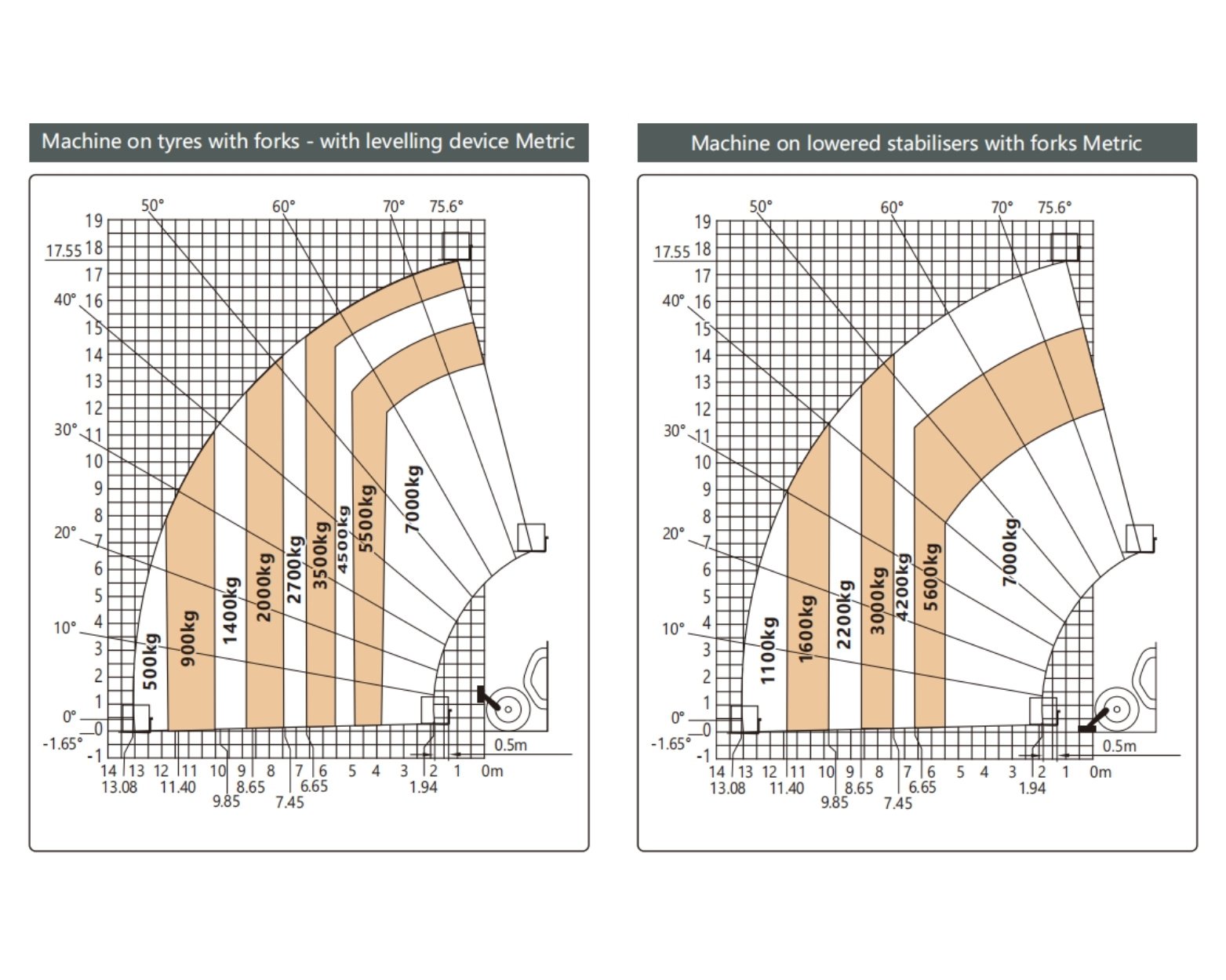
A load chart is a visual map of a fixed telehandler’s safe operating limits. It shows how much weight the machine can safely lift at different boom extensions and angles. You use it by finding the intersection of your required height and reach to determine the maximum permissible load for that specific position.
The Nuances of the Load Chart
A frequent question we get from first-time buyers is, “Your machine is rated for 4 tons, so it can lift my 3-ton pallet to the top floor, right?” The answer is almost always no. That 4-ton rating applies only under ideal conditions—typically with the boom almost fully retracted and at a specific angle. This is where a proper understanding of the load chart becomes a non-negotiable skill.
The Performance Envelope Analogy
Think of a telehandler’s capability like a high-performance car. A car that can go 120 mph is not safe to drive at that speed on a winding mountain road. The load chart is your “road map” that tells you the safe “speed” (load capacity) for every “curve” (boom angle and extension). Exceeding the chart’s limits, even slightly, is like taking that curve too fast; it can lead to a tip-over or structural failure with devastating consequences.
Key Variables to Analyze
When you review a load chart, you’re not looking for one number. You are analyzing a complex relationship between several factors:
- Boom Extension: This is the most critical factor. As the boom extends forward, the machine’s center of gravity shifts, and the safe lifting capacity drops dramatically. A fixed telehandler that can lift 4,000 kg near the chassis might only be able to handle 500 kg at its maximum forward reach.
- Boom Angle: The angle of the boom also changes the capacity. The chart will have different curves or sections for different angles.
- Load Center: Load charts are calculated based on a standard load center, often 500mm or 600mm from the face of the forks. If you are lifting an irregularly shaped or poorly balanced load, its actual load center may be further out, which effectively reduces your machine’s capacity. You must account for this.
- Attachements: Are you using a bucket, a truss jib, or a personnel basket? Each of these attachments has its own specific load chart that must be used instead of the one for the standard forks. As a buyer, you must insist that the supplier provides the correct, certified load charts for every attachment you purchase.
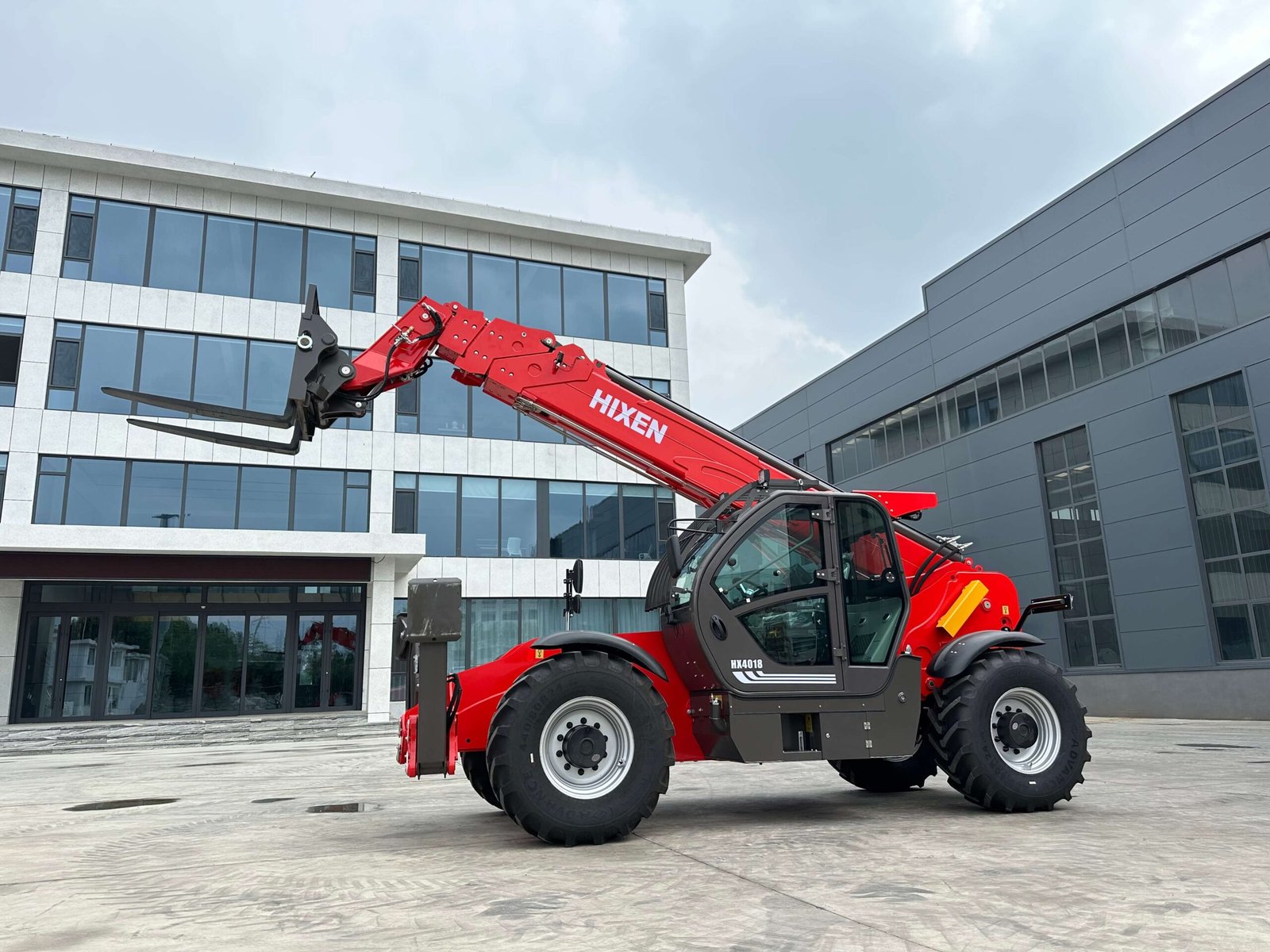
Before you even contact a supplier, map out your most common and most demanding lifting scenarios. Ask yourself:
- What is the exact weight of my heaviest typical load?
- To what maximum height and forward reach do I need to place this load?
With these two data points, you can review load charts to find a machine that can perform this task with a comfortable safety margin.
Are You Overlooking Critical “Day 2” Operating Costs of a Fixed Telehandler?
It’s easy to get excited about a new machine’s power and features during the selection process. But the real test comes on “Day 2” and beyond, when that powerful machine might be too large for your gates, gets stuck in the mud, or sits idle waiting for a specialized technician. A smart procurement process looks past the initial purchase price to evaluate the total cost of ownership, starting with how the fixed telehandler will actually function on your site.
The most overlooked operating costs stem from a mismatch between the machine and its environment. Key factors include site accessibility (navigating tight spaces), ground conditions (requiring specific tires or drivetrain capabilities), and the ease and frequency of routine maintenance, which directly impacts downtime.
Planning for Reality
In my conversations with customers, I’ve learned that the “best” machine on paper is often the wrong machine in practice. The most expensive machine is the one you can’t use effectively. Here are the “Day 2” factors you must consider.
Site Accessibility and Maneuverability
One of the first questions I ask a potential buyer is, “What is the narrowest doorway or tightest corner this machine needs to navigate?” A machine’s overall width, stowed height, and turning radius are hard limits. A powerful fixed telehandler with a 17-meter reach is a poor investment if it can’t fit through the main gate to the work area.
Consider the machine’s steering modes:
- Two-Wheel Steer: Best for traveling on roads.
- All-Wheel Steer: Reduces the turning radius for excellent maneuverability in confined spaces.
- Crab Steer: Moves the machine diagonally, perfect for positioning it parallel to a wall or obstacle.
Understanding these modes helps you choose a machine that can navigate your specific site layout efficiently.
Ground Conditions and Drivetrain
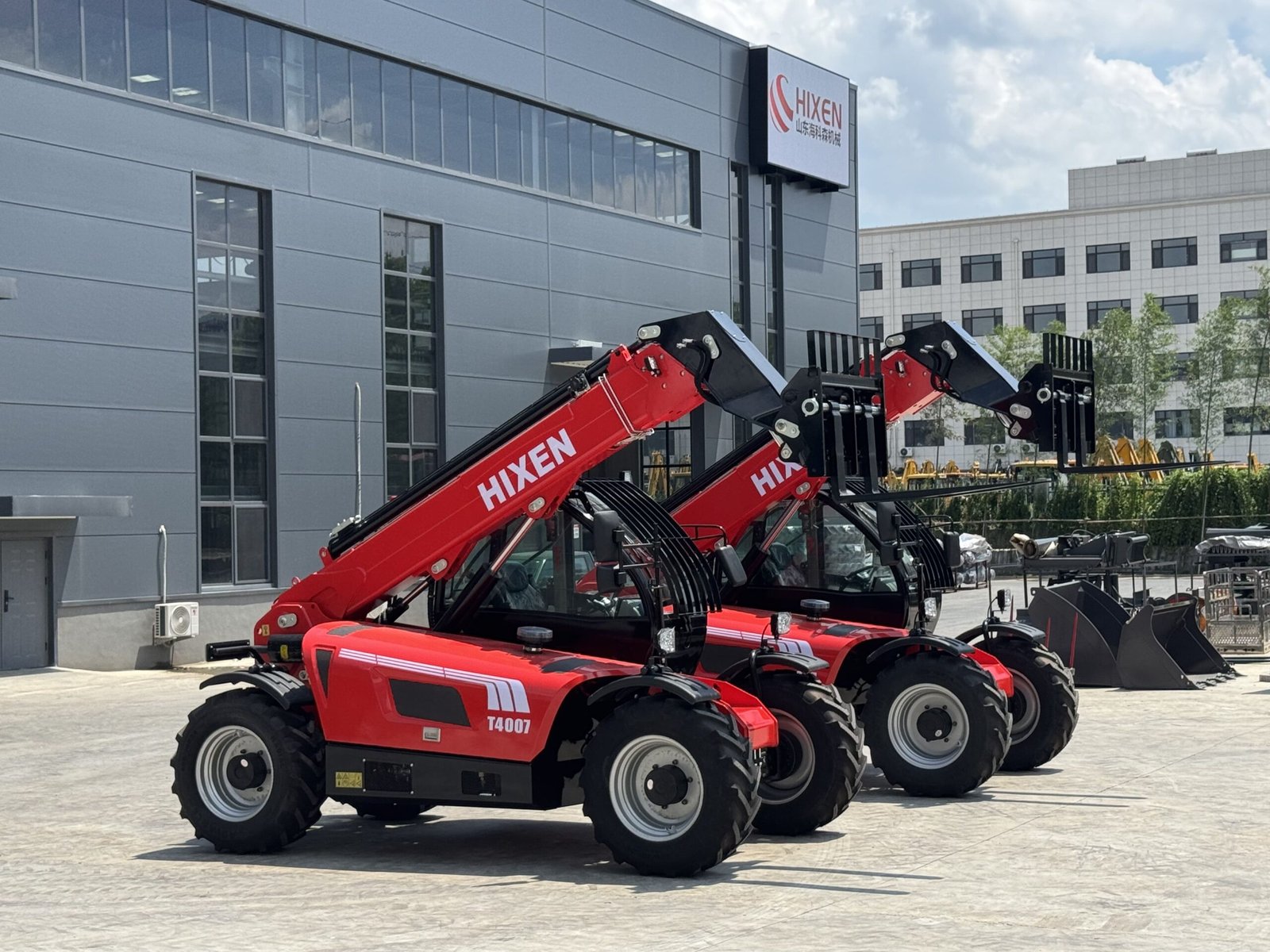
The terrain dictates your machine’s configuration. Will it operate on the smooth concrete of a warehouse, the soft soil of a farm, or the rough, muddy ground of a new construction site?
- Tires: Pneumatic tires are common, but for sites with scrap metal or sharp debris, foam-filled or solid tires are a wise investment to prevent costly flat tires and downtime.
- Drivetrain: The transmission type has a huge impact on performance. A hydrostatic transmission offers smooth, infinitely variable speed control, which is ideal for inching forward to place a load with precision. A powershift transmission provides distinct gears, which can be more efficient and familiar for operators covering longer distances on a large site.
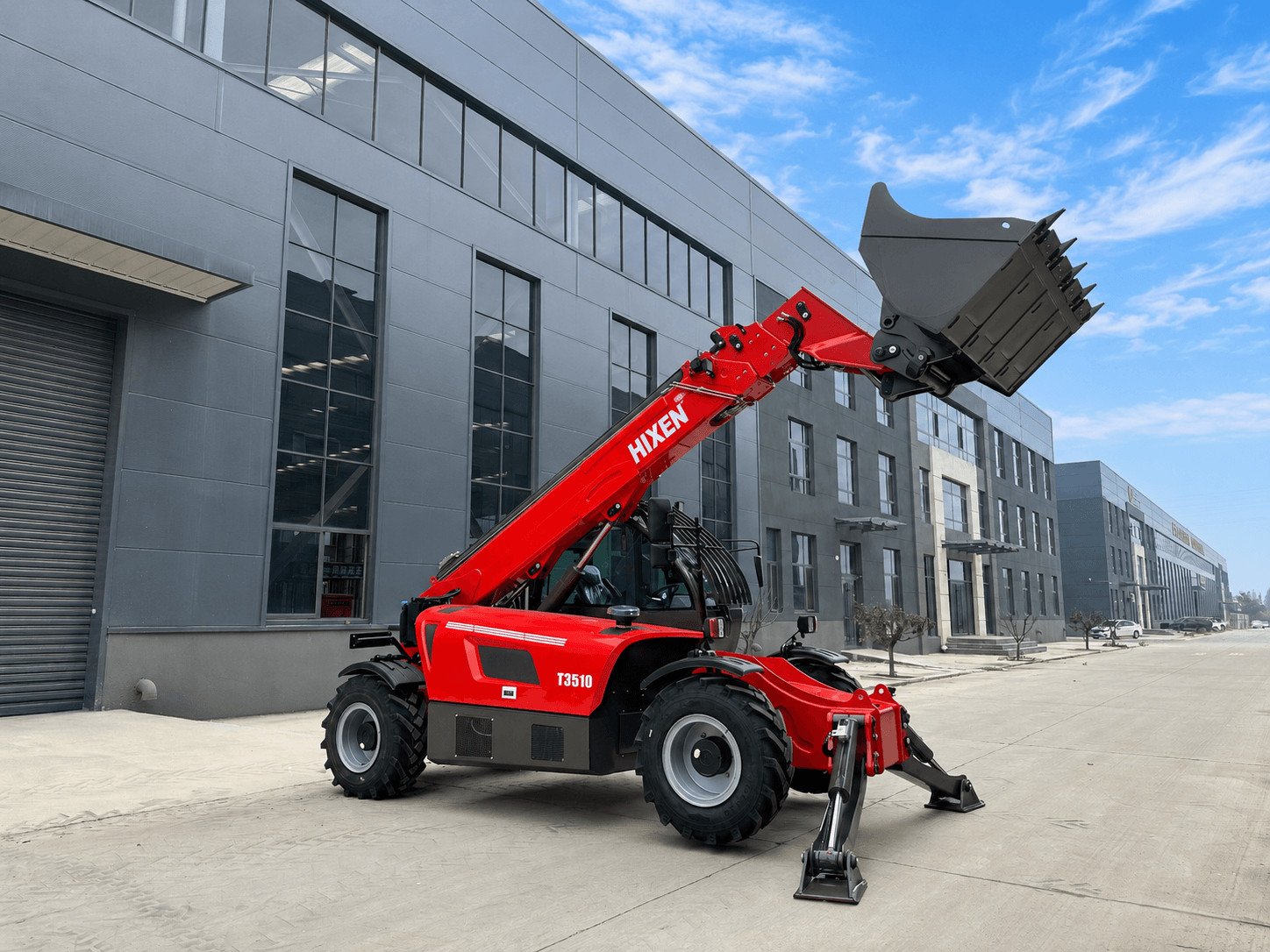
- Stabilizers: Does your typical lift require stabilizers (outriggers)? They provide a wider, more stable base, which is essential for safely lifting heavy loads at height or reach. However, if your work is primarily “pick and carry” on flat, stable ground, a machine without stabilizers may be simpler and faster to operate.
Maintenance and Serviceability
Downtime is the ultimate hidden cost. When a machine is down, your entire project can grind to a halt. When evaluating a fixed telehandler, think like a mechanic:
- How easy is it to access the engine bay?
- Are the daily check points (oil, coolant, hydraulic fluid) easy to reach from the ground?
- Are filters and grease points grouped together for faster servicing?
A well-designed machine simplifies routine maintenance, making it more likely that it will be done correctly and on schedule. This is a crucial, though often ignored, part of calculating the true total cost of ownership.
Why Might a Simpler Fixed Telehandler Be a Better Investment?
The modern equipment market is filled with machines boasting advanced electronics, touch-screen displays, and automated functions. While these features can be impressive, they can also introduce points of failure, increase repair costs, and require specialized training, ultimately inflating your total cost of ownership. Let’s challenge the assumption that “more is better” and explore why a simpler, more robust fixed telehandler is often the smarter long-term investment.
A simpler fixed telehandler often provides a lower total cost of ownership (TCO) due to higher reliability, easier maintenance, and reduced operator training needs. For businesses in harsh environments or remote locations, mechanical controls and fewer complex electronics mean less downtime and more straightforward repairs.
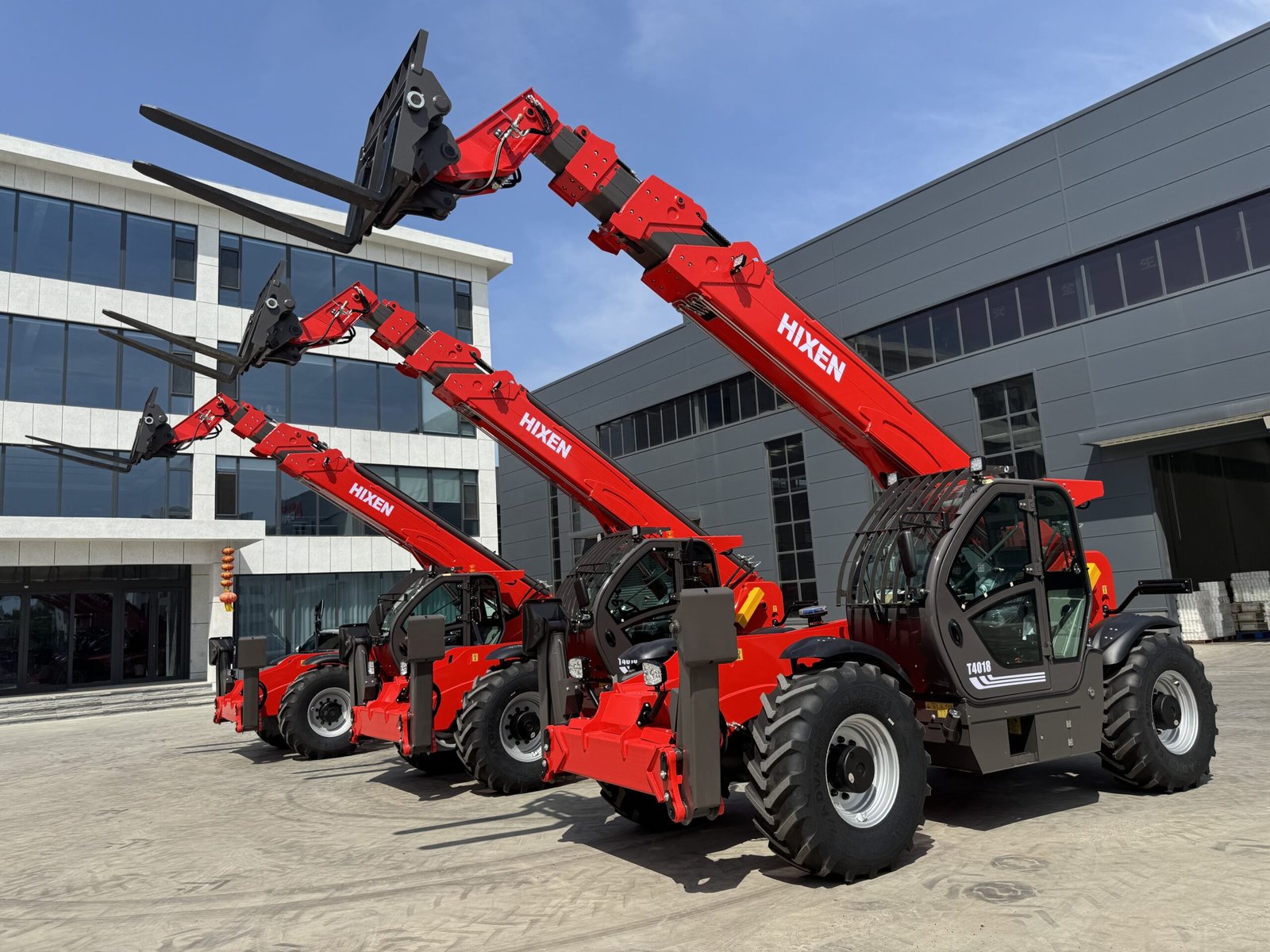
The Business Case for Simplicity
As an advisor to buyers, I’ve seen a clear trend: companies operating in demanding conditions are increasingly prioritizing resilience over features. Dust, extreme temperatures, moisture, and heavy vibration are the enemies of complex electronic systems.
The Reliability of Robust Design
I once spoke with a quarry manager in a remote region who was responsible for a fleet of equipment. He told me he was actively replacing his high-tech telehandlers with more basic models. His reasoning was simple: “I’ll trade a fancy display for a machine that starts every single day, no matter what. When a sensor fails out here, my machine is down for a week waiting for a part and a technician. When a mechanical lever has an issue, my guy can often fix it in an hour.”
This story perfectly illustrates the value of operational uptime. A fixed telehandler with durable, direct mechanical joystick controls and simple analogue gauges may be less susceptible to the kind of nuisance electronic faults that can sideline a more complex machine.
Comparing Total Cost of Ownership (TCO)
A feature-rich machine might look great in a brochure, but a simpler machine often wins on the balance sheet over its lifespan.
| Cost Factor | Simpler Machine | Complex Machine |
|---|---|---|
| Initial Price | Often lower | Generally higher |
| Entretien | General mechanics can service. Fewer specialized tools needed. | Requires specialized technicians and diagnostic software. |
| Downtime | Faster to diagnose and repair mechanical issues. | A single sensor or ECU failure can cause long delays. |
| Formation de l'opérateur | Intuitive controls, shorter learning curve. | May require extensive training for advanced systems. |
When Are Advanced Features Justified?
This is not an argument against all technology. It’s an argument for appropriate technology. Certain advanced features are absolutely worth the complexity if they solve a specific, high-stakes problem for your operation.
- Load Management Systems (LMS): These systems actively monitor the load and boom position, providing warnings or automatically preventing the operator from exceeding the load chart’s limits. For companies with many operators or in complex lifting environments, an LMS is an invaluable safety investment.
- Automation Features: Functions like “return-to-dig” or boom position memory can deliver measurable productivity gains in highly repetitive applications, such as loading grain into trucks.
The key question you must ask for every feature is: “Does this solve a specific problem, reduce a critical risk, or provide a clear ROI for my business?” If the answer is vague, you may be better off with a simpler, more resilient machine.
Foire aux questions
What is the main difference between a fixed telehandler and a rotating telehandler?
UN fixed telehandler, also known as a rigid telehandler, has a stationary cab and frame; only the boom moves up and out. A rotating telehandler (or roto-telehandler) has an upper structure that can rotate 360 degrees on its undercarriage, acting like a crane, telehandler, and access platform in one. Fixed models are generally more common, robust, and cost-effective for straightforward loading and lifting tasks.
How important is brand name when choosing a telehandler?
While established brands offer a certain level of trust, it’s more important to evaluate the specific supplier’s capabilities. A good supplier, regardless of brand size, will provide transparent specifications, reliable parts availability, and responsive after-sales support. Always verify certifications and ask for references from customers in your region or industry.
Do I need a special license to operate a fixed telehandler?
Operator certification requirements vary significantly by country and even by state or province. In most jurisdictions, operators need formal training and certification covering safe operation, load chart interpretation, and daily inspections. As a buyer, you are responsible for ensuring your operators are properly qualified to meet local regulations.
Can I use a fixed telehandler as a crane?
While a telehandler lifts loads, it is not a crane. Cranes are designed for suspended loads that can swing. Telehandlers are typically designed for static loads placed on forks or in a bucket. Using a telehandler with a winch or jib attachment to lift suspended loads requires specific training, adherence to different safety standards, and often a different load chart.
Conclusion
Choisir le bon fixed telehandler is less about the machine and more about your methodology. By shifting your focus from spec sheets to a risk-based analysis, you can make a much smarter investment. Prioritize understanding the load chart as a safety document, account for the “Day 2” realities of your job site, and critically evaluate whether advanced features truly add value or just complexity. A well-chosen fixed telehandler is one that is safe, efficient, and reliable for your unique operational needs.
If you’re ready to move from searching for a product to finding a solution, our team is here to help. Contact us today to discuss your specific site requirements, and let’s work together to configure the right machine for your business.

