
Vous avez du mal à budgétiser un nouveau chariot télescopique ? Les prix semblent omniprésents, ce qui rend difficile de trouver un numéro fiable. Nous sommes ici pour dissiper la confusion.
En 2026, un chariot télescopique HIXEN neuf peut coûter entre 26 000 et 69 000 dollars. Le prix final dépend fortement de sa capacité de levage, de la longueur de la flèche et des configurations spécifiques telles que les normes d'émission du moteur, les systèmes hydrauliques et le type de transmission, et pas seulement du tonnage de base.
Cette fourchette de prix peut paraître large, mais elle reflète l’incroyable polyvalence de ces machines. Au cours de mes 15 années dans ce secteur, j’ai appris que le prix de la vignette n’est que le début de l’histoire. Pour vraiment comprendre le coût, nous devons décomposer ce qui entre en jeu. Examinons plus en détail les chiffres et voyons ce que vous obtenez pour votre argent.
Quels sont les prix des chariots télescopiques HIXEN pour 2026 ?
Besoin d'une liste de prix claire pour votre prochain achat ? Sans chiffres concrets, planifier votre budget d’équipement ressemble à une conjecture. Voici nos prix directs usine pour guider votre décision.
Notre 2026 Prix des chariots télescopiques HIXEN vont de 26 500 $ pour un modèle de 3 tonnes et 7 mètres (HX3007) à environ 69 000 $ pour une machine de 6 tonnes et 18 mètres (HX6018). Le prix augmente avec une capacité de levage plus élevée et une portée de flèche plus longue, offrant ainsi une structure de coûts claire.
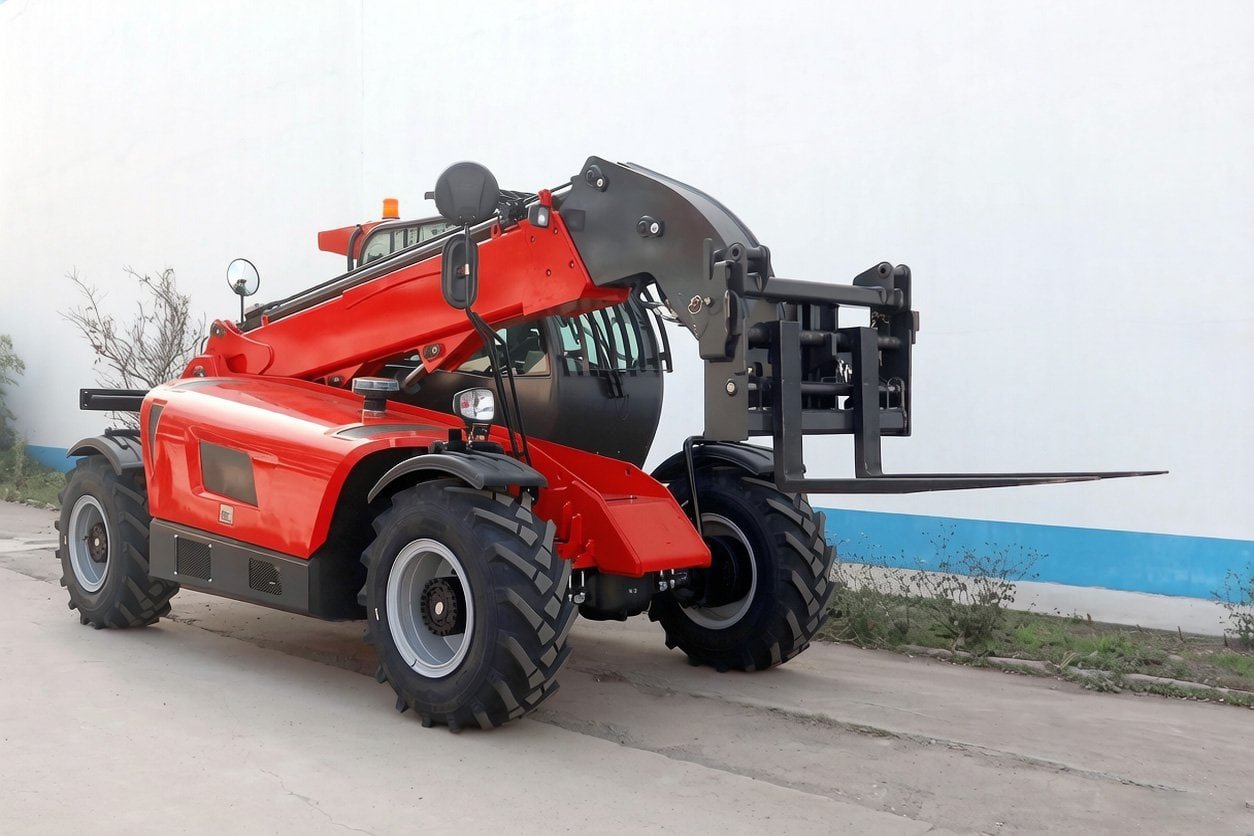
Chez HIXEN, nous croyons en la transparence. En tant que fabricant direct de l'usine, nous pouvons proposer des prix compétitifs sans majoration intermédiaire. Notre objectif est de vous donner une idée claire de ce à quoi vous attendre. Les principaux facteurs déterminant nos prix sont la capacité de levage (tonnage) et la hauteur de levage (longueur de la flèche). Vous remarquerez qu’il ne s’agit pas seulement de tonnes ; une machine de 4 tonnes avec une flèche de 10 mètres a un prix différent de celui d'une machine de 4 tonnes avec une flèche de 18 mètres. En effet, une flèche plus longue nécessite un châssis, un contrepoids et un système hydraulique plus robustes pour fonctionner de manière sûre et efficace. C’est une idée fausse courante que les clients font : ils se concentrent uniquement sur le tonnage. Mais la véritable fonctionnalité la plus performante est souvent la portée. Voici une ventilation détaillée de nos fourchettes de prix EXW (Ex Works) pour 2026. Cela devrait vous donner une base solide pour votre planification budgétaire.
| Modèle | Capacité de charge/longueur de flèche | Fourchette de prix (USD EXW) |
|---|---|---|
| HX3007 | 3 tonnes / 7 m | 26 500 $ – 28 500 $ |
| HX3510 | 3,5 tonnes / 10 m | 27 000 $ – 29 000 $ |
| HX4010 | 4 tonnes / 10 m | 30 000 $ – 32 000 $ |
| HX4018 | 4 tonnes / 18 m | 40 000 $ – 43 000 $ |
| HX5018 | 5 tonnes / 18 m | 44 000 $ – 47 000 $ |
| HX6018 | 6 tonnes / 18 m | 65 000 $ – 69 000 $ |
Quels sont les facteurs clés qui influencent les prix des chariots télescopiques ?
Vous ne savez pas pourquoi deux chariots télescopiques similaires ont des prix très différents ? Les spécifications cachées peuvent ajouter des milliers de dollars au coût. Comprendre ces facteurs clés est crucial pour réaliser un investissement intelligent.
Les principaux facteurs de prix sont les normes d'émission du moteur (ajoutant 3 000 à 8 000 dollars pour les marchés de l'UE et des États-Unis), le système hydraulique (la détection de charge ajoute de la précision), le type de transmission (l'hydrostatique est premium), la qualité des essieux (les freins humides durent plus longtemps) et les caractéristiques de confort de l'habitacle comme la climatisation.

Le prix de base d'un chariot télescopique n'est qu'un point de départ. Le coût final est déterminé par les composants que vous choisissez, et c'est là que vous pouvez véritablement adapter la machine à vos besoins. J’ai vu des clients économiser de l’argent au départ, pour ensuite faire face à des coûts d’exploitation plus élevés plus tard. Décomposons les facteurs les plus critiques.
1. Normes d'émission des moteurs
Il s’agit d’un facteur de coût majeur, notamment pour nos clients en Europe et en Amérique du Nord. Un modèle de base peut être équipé d’un moteur China Stage II, mais pour les marchés plus stricts, vous aurez besoin d’une mise à niveau.
- EU Stage V / EPA Tier 4 Final: Ces moteurs disposent de systèmes de post-traitement avancés. Cette mise à niveau à elle seule peut ajouter 3 000 $ à 8 000 $ au prix final. Ce n’est pas facultatif ; c’est une obligation légale.
2. Systèmes hydrauliques et de transmission
C’est le cœur des performances de la machine.
- Hydraulique: Un système standard fait le travail. Mais un système proportionnel électro-hydraulique à détection de charge offre une précision supérieure, un meilleur rendement énergétique et un fonctionnement plus fluide. C’est un investissement rentable pour les tâches délicates.
- Transmission: Une transmission mécanique ou hydraulique de base est rentable. Cependant, un système hydrostatique en circuit fermé (comme Danfoss) offre un contrôle et une durabilité inégalés. Nos clients les plus expérimentés privilégient souvent cela plutôt qu’un prix inférieur.
3. Essieux et cabine
C’est ce que j’appelle les composants de « valeur cachée ».
- Essieux : Les essieux standards conviennent parfaitement aux travaux légers. Mais pour un usage quotidien intensif, la mise à niveau vers Essieux à frein humide ZF change la donne en termes de longévité et de sécurité.
- Cabine: Le confort de l'opérateur n'est plus un luxe. Dans les climats chauds comme le Moyen-Orient ou pour les longues journées de travail en Europe, un cabine de luxe avec climatisation, sièges chauffants et multimédia est pratiquement une exigence de productivité.
Quelle est la véritable histoire derrière le prix des chariots télescopiques ?
Obtenir un devis bon marché, c'est bien, mais quel est le problème ? Le prix le plus bas cache souvent des compromis sur la qualité qui vous coûtent plus cher à long terme.
La réalité est que se concentrer uniquement sur le prix de la vignette est une erreur. De nombreuses options à faible coût utilisent des composants de qualité inférieure pour des pièces telles que les essieux ou le système hydraulique. Ces compromis « cachés » entraînent des temps d'arrêt plus longs, des coûts de maintenance plus élevés et une durée de vie des machines plus courte.

Je parle aux acheteurs tous les jours et j'ai remarqué un schéma commun. Beaucoup sont obsédés par la recherche du prix le plus bas absolu. Mais dans l’industrie de l’équipement lourd, la « vraie histoire » est que le prix et la valeur sont deux choses très différentes. Un fabricant peut facilement baisser un prix en utilisant une transmission moins chère ou un essieu moins durable. Vous ne le verrez pas sur la fiche technique principale, mais vous le ressentirez après 1 000 heures de fonctionnement. Par exemple, une machine équipée d'un essieu standard peut coûter 2 000 $ de moins qu'une machine équipée d'un essieu à freins humides ZF. Cela semble être une bonne affaire. Mais l'essieu ZF est conçu pour des conditions extrêmes et a une durée de vie beaucoup plus longue avec moins de besoins d'entretien. Le coût réel comprend les temps d'arrêt et les réparations. Soudainement, cette économie initiale de 2 000 $ disparaît. L’industrie regorge de ces compromis. Notre philosophie chez HIXEN est d'être transparent sur ces choix. Nous vous expliquerons les avantages et les inconvénients de chaque composant afin que vous puissiez construire une machine offrant une valeur à long terme, et pas seulement un prix initial bas.
Quelles tendances du marché façonneront les prix des chariots télescopiques en 2026 ?
Le marché évolue rapidement. Achetez-vous une machine pour les besoins d’aujourd’hui ou les demandes de demain ? Garder une longueur d’avance sur les tendances garantit que votre investissement conserve sa valeur pendant des années.
En 2026, nous assistons à une nette évolution vers des machines plus performantes. Les clients préfèrent désormais les moteurs EU Stage V, le système hydraulique à détection de charge et les cabines de luxe. La transparence des prix augmente également, ce qui rend crucial pour les fabricants de justifier leurs coûts par une configuration et un service de qualité supérieure.
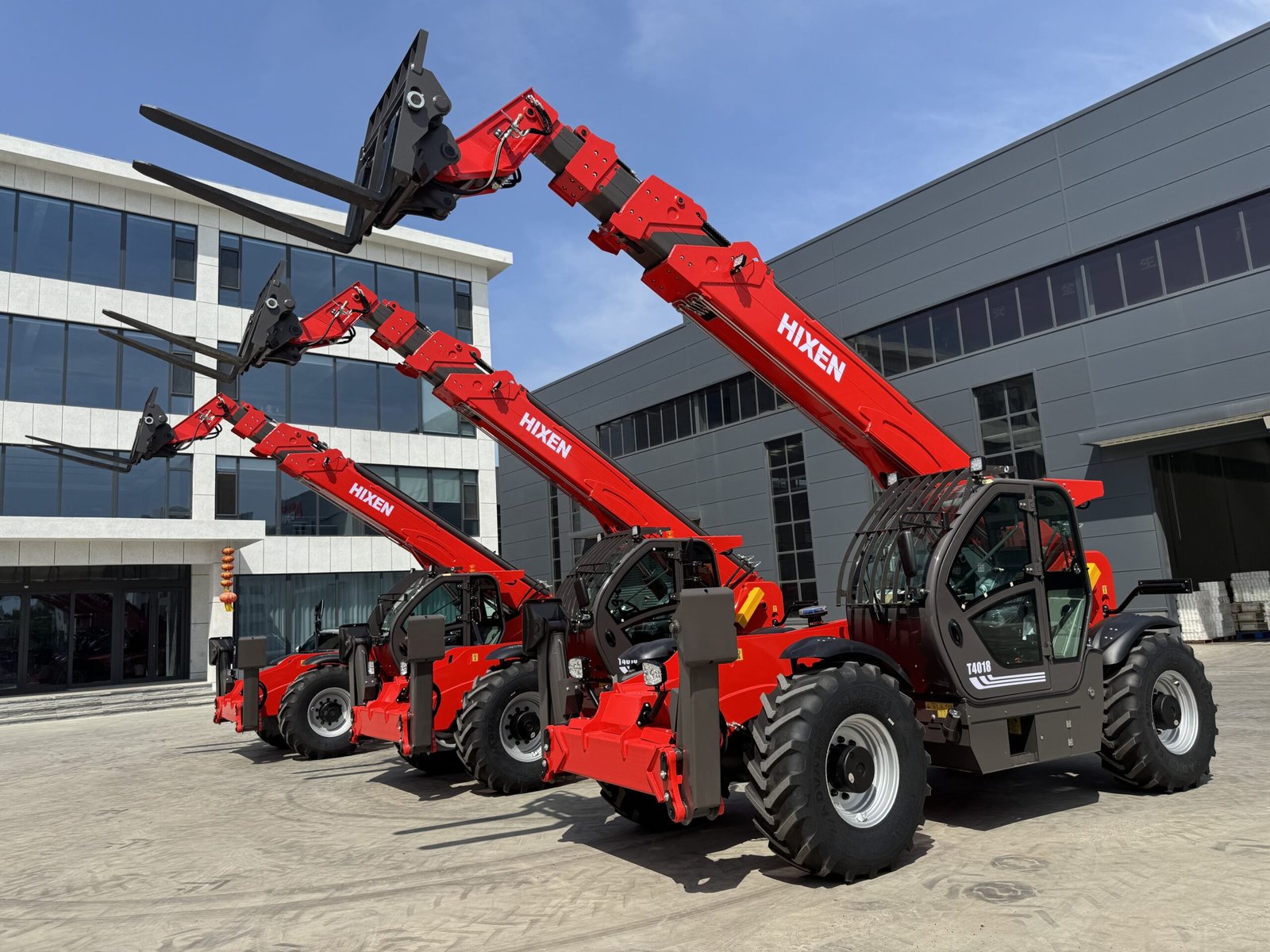
En tant que fabricant avec une présence mondiale, nous sommes aux premières loges pour répondre à l’évolution des demandes du marché. Pour 2026, quelques tendances clés deviennent très claires et elles ont un impact direct sur la façon dont vous devriez envisager votre achat.
1. La demande de hautes spécifications est la nouvelle norme
La conversation évolue. Il y a cinq ans, la principale question posée par de nombreux marchés émergents était « Quel est votre modèle le moins cher ? ». Aujourd’hui, la question est « Pouvez-vous ajouter un système de détection de charge ? ». Les clients sont plus informés et comprennent que de meilleurs composants conduisent à de meilleures performances et à un retour sur investissement plus élevé. Les équipements chinois sont en train de passer du statut de « leader à bas prix » à celui de « leader à haute valeur ».
2. Transparence des prix et nécessité de différenciation
Avec Internet, il est plus facile que jamais pour les clients de comparer les devis de plusieurs fournisseurs. Cela signifie que rivaliser sur le seul prix est une partie perdante. La clé du succès réside désormais dans différenciation. Nous nous concentrons sur l'explication pourquoi une certaine configuration est meilleure pour un travail spécifique. Par exemple, nous pouvons montrer à un agriculteur comment une transmission hydrostatique offre le contrôle fluide nécessaire à la manipulation de balles délicates, justifiant ainsi le coût supplémentaire.
3. Personnalisation spécifique à l'application
La solution universelle est morte. Un chariot télescopique pour un chantier de construction a des besoins très différents de celui d'un port ou d'une ferme.
- Construction: Nécessite de la robustesse, une longue portée et des fonctionnalités de sécurité robustes.
- Agriculture: Nécessite un système hydraulique précis, des accessoires polyvalents et un confort de conduite pendant de longues heures.
- Logistique: Nécessite des dimensions compactes, une bonne maniabilité et une efficacité.
Nous construisons davantage de machines adaptées à ces segments spécifiques.
Comment obtenir le meilleur rapport qualité-prix lors de l’achat d’un chariot télescopique ?
Ne vous contentez pas d’acheter une machine ; investir dans une solution. Choisir les mauvaises spécifications peut paralyser votre productivité. Obtenir le meilleur rapport qualité-prix signifie adapter parfaitement la machine à votre travail.
Le meilleur rapport qualité-prix n’est pas le prix le plus bas. C’est la configuration la plus adaptée à votre chantier spécifique. Pour une utilisation à haute intensité, investissez dans un système hydrostatique. Pour les climats froids, un réchauffeur de carburant est indispensable. Pour les marchés européens, un moteur Stage V n’est pas négociable.

Après avoir vendu plus de 1 500 machines dans plus de 30 pays, je peux vous dire ceci : les clients les plus satisfaits ne sont pas ceux qui ont payé le moins, mais ceux qui ont obtenu la machine adaptée à leur travail. Alors mon conseil est simple : pensez d’abord à votre travail, puis à la machine. Voici quelques recommandations pratiques basées sur des scénarios courants.
Adaptez la machine à votre charge de travail
- Pour une utilisation de haute intensité toute la journée : Si votre chariot télescopique doit fonctionner plus de 8 heures par jour, ne lésinez pas sur la transmission. UN système hydrostatique sera rentabilisé en termes de durabilité, d'économies de carburant et de précision de l'opérateur.
- Pour les tâches nécessitant beaucoup de précision : Si vous soulevez des matériaux coûteux ou avez besoin d'un contrôle délicat (comme dans l'agriculture ou la construction sur mesure), le système hydraulique à détection de charge est un incontournable. Il réduit les mouvements saccadés et améliore la sécurité.
Tenez compte de votre environnement
- Pour les climats froids : Si vous opérez dans une région aux hivers froids, un réchauffeur de carburant est un petit investissement qui évite d'énormes maux de tête au démarrage et à l'usure du moteur. C’est une option non négociable.
- Pour les marchés réglementés (Europe/Amérique du Nord) : N'envisagez même pas une machine sans la norme d'émission correcte, comme EU Stage V. Toute tentative d'importation d'une machine non conforme entraînera son rejet au niveau du port.
Ce qu’il faut retenir, c’est que le principal avantage de HIXEN est la flexibilité. Nous pouvons vous aider à créer la combinaison parfaite de composants adaptée à votre travail et à votre budget, vous garantissant ainsi le meilleur rapport qualité-prix possible.
Conclusion
In conclusion, the right telehandler is a balanced investment. The best price is not the lowest number, but the one that gets you the ideal configuration for your specific needs.
Contacter HIXEN
Ready to find the perfect telehandler for your job? Contact our team today for a personalized quote and a free consultation to configure a machine that delivers maximum value for you.

