
Lorsque vous choisissez entre une pelle sans déport arrière et une pelle conventionnelle, la décision se résume généralement à une seule question : de quel espace de travail disposez-vous réellement ? Mais ce n’est que la moitié de l’histoire : la capacité de levage, la stabilité et la sécurité sur le chantier jouent également un rôle.
Le meilleur choix dépend de votre travail. Les pelles à déport arrière nul sont idéales pour les espaces confinés car leur carrosserie reste dans la largeur de la chenille lors des virages. Les pelles conventionnelles offrent une stabilité et une puissance de levage supérieures pour les zones ouvertes grâce à leur contrepoids en surplomb plus grand.
Ce guide se décompose zéro déport arrière vs conventionnel les vraies différences afin que vous puissiez faire correspondre la bonne machine au bon projet.
Qu’est-ce qu’exactement une excavatrice à déport zéro ?
Vous avez probablement entendu le terme « zéro déport arrière », mais vous ne savez pas vraiment ce que cela signifie pour votre travail. Cette confusion peut conduire à acheter la mauvaise machine pour le travail à accomplir.
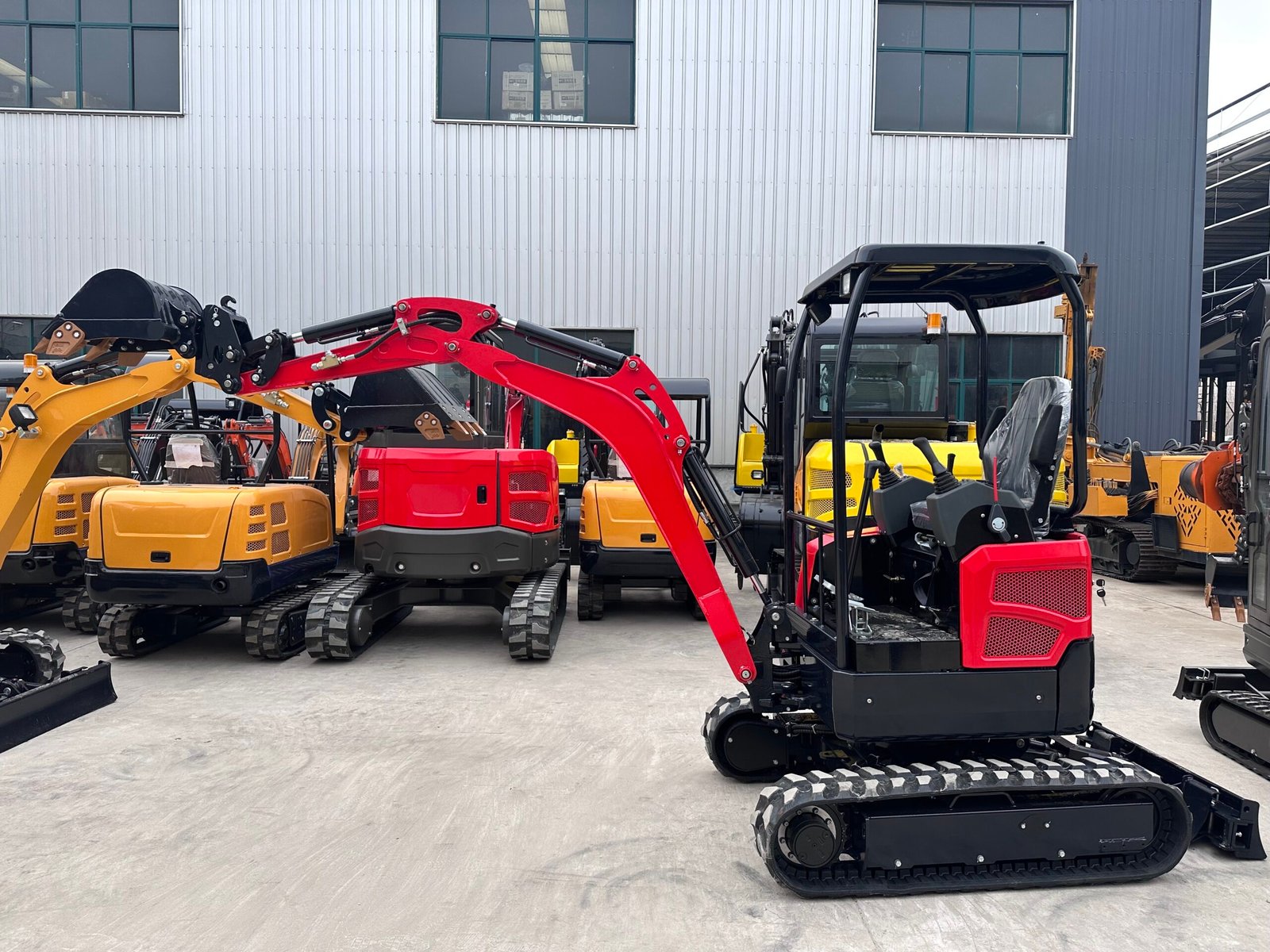
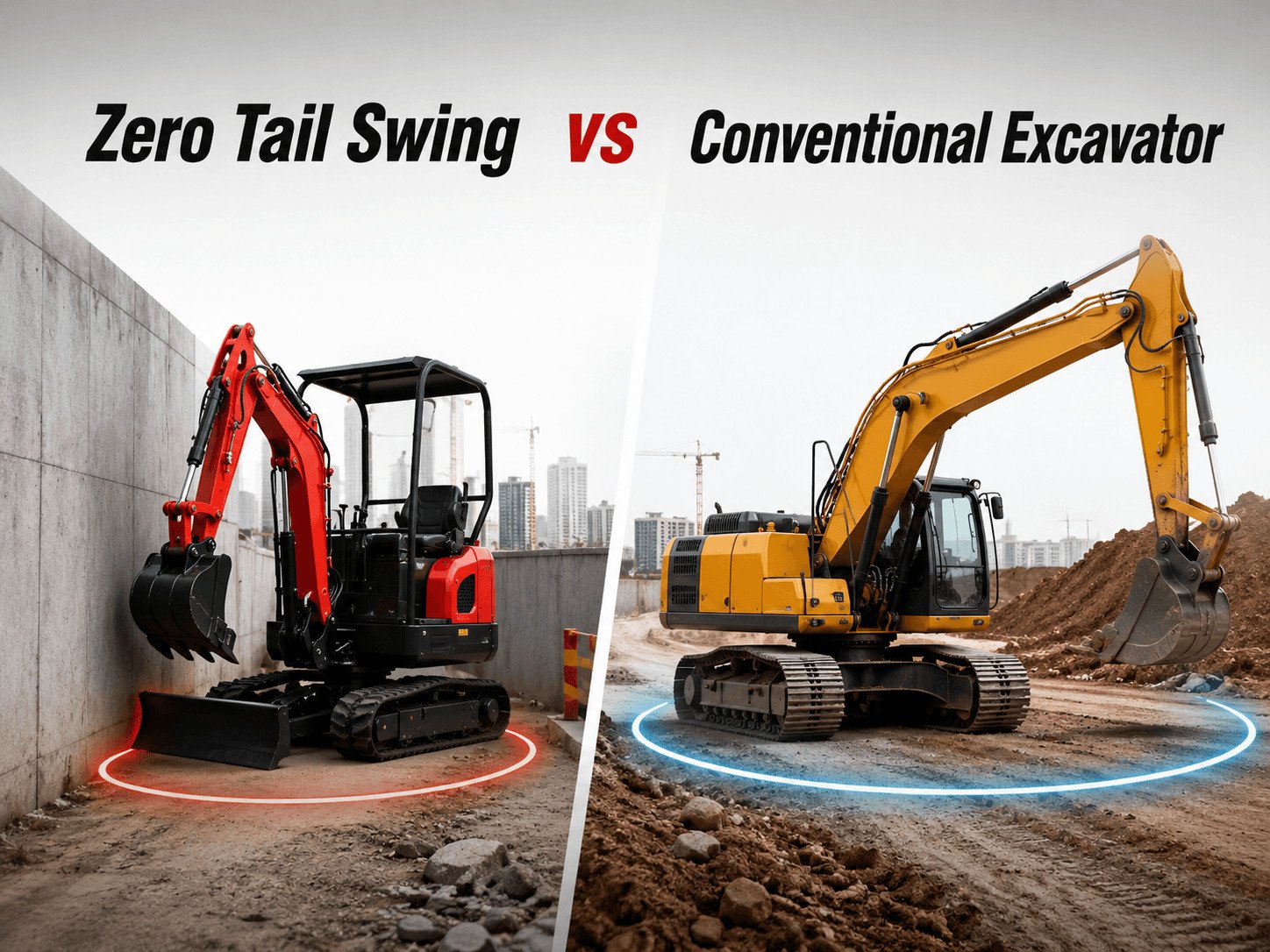
Une pelle à déport arrière nul est conçue de telle sorte que sa structure supérieure, ou boîtier, ne s'étend pas au-delà de la largeur de son train de roulement (les chenilles) pendant la rotation. Cette conception le rend parfait pour fonctionner dans des zones confinées sans rien heurter derrière la machine.
Le génie de cette conception réside dans la façon dont le contrepoids et le moteur sont regroupés dans un cadre compact. Je me souviens d'un travail que j'effectuais il y a quelques années, où je posais de nouvelles canalisations municipales dans une ruelle étroite de la ville. Nous avions peut-être un pied d’espace libre de chaque côté. Une excavatrice conventionnelle aurait été impossible ; nous aurions dû fermer toute la rue. Avec une machine à déport arrière nul, l'opérateur pouvait creuser, faire pivoter et charger un camion sans jamais se soucier du fait que son déport arrière heurte les bâtiments adjacents. C'est précisément le genre de travail pour lequel nos clients utilisent les machines HIXEN. Ils sont parfaits pour la construction urbaine, le travail le long des murs, la démolition intérieure ou tout travail où l’espace est un luxe que vous n’avez pas. Cette conception ne rend pas seulement le travail possible ; cela réduit considérablement le risque d’endommager les biens de tiers, une préoccupation majeure pour les entrepreneurs en matière de conformité en matière d’assurance et de sécurité.
Alors, qu’est-ce qu’une pelle conventionnelle (à contrepoids) ?
Vous avez besoin d’un maximum de puissance et de stabilité pour soulever des charges lourdes, mais vous craignez d’utiliser la bonne machine. L’utilisation d’une excavatrice sous-alimentée peut ralentir le projet ou, pire encore, s’avérer dangereuse.
Une pelle conventionnelle, également connue sous le nom de pelle à déport arrière standard, est dotée d'un grand contrepoids qui s'étend au-delà de ses chenilles lorsque la cabine tourne. Cette conception offre une stabilité et une capacité de levage supérieures pour les tâches lourdes.
La physique est simple. Ce grand contrepoids saillant agit comme un puissant levier, équilibrant les lourdes charges que vous avez dans le godet. Lorsque vous devez soulever et placer de lourds tuyaux en béton, déplacer rapidement de grandes quantités de terre ou travailler dans une carrière, la conception conventionnelle est votre meilleure amie. Le poids supplémentaire suspendu à l'arrière donne à l'opérateur la confiance nécessaire pour soulever davantage et atteindre plus loin sans que la machine ne donne l'impression de basculer. Alors qu'une machine à déport arrière nul maîtrise parfaitement les espaces restreints, la pelle conventionnelle est la championne incontestée des espaces ouverts où la puissance et la productivité sont les principales priorités. Chez HIXEN, bien que nous soyons spécialisés dans les solutions compactes innovantes, nous avons un immense respect pour la puissance brute et les capacités de ces bêtes de somme traditionnelles. Ils ont leur place, et pour de nombreux travaux à grande échelle, ils restent la seule bonne réponse.
Zéro déport arrière par rapport à une pelle conventionnelle : principales différences
Choisir entre les deux types n’est pas toujours facile, et faire le mauvais choix peut vous coûter du temps et de l’argent. Décomposons les principales différences côte à côte pour que ce soit clair.
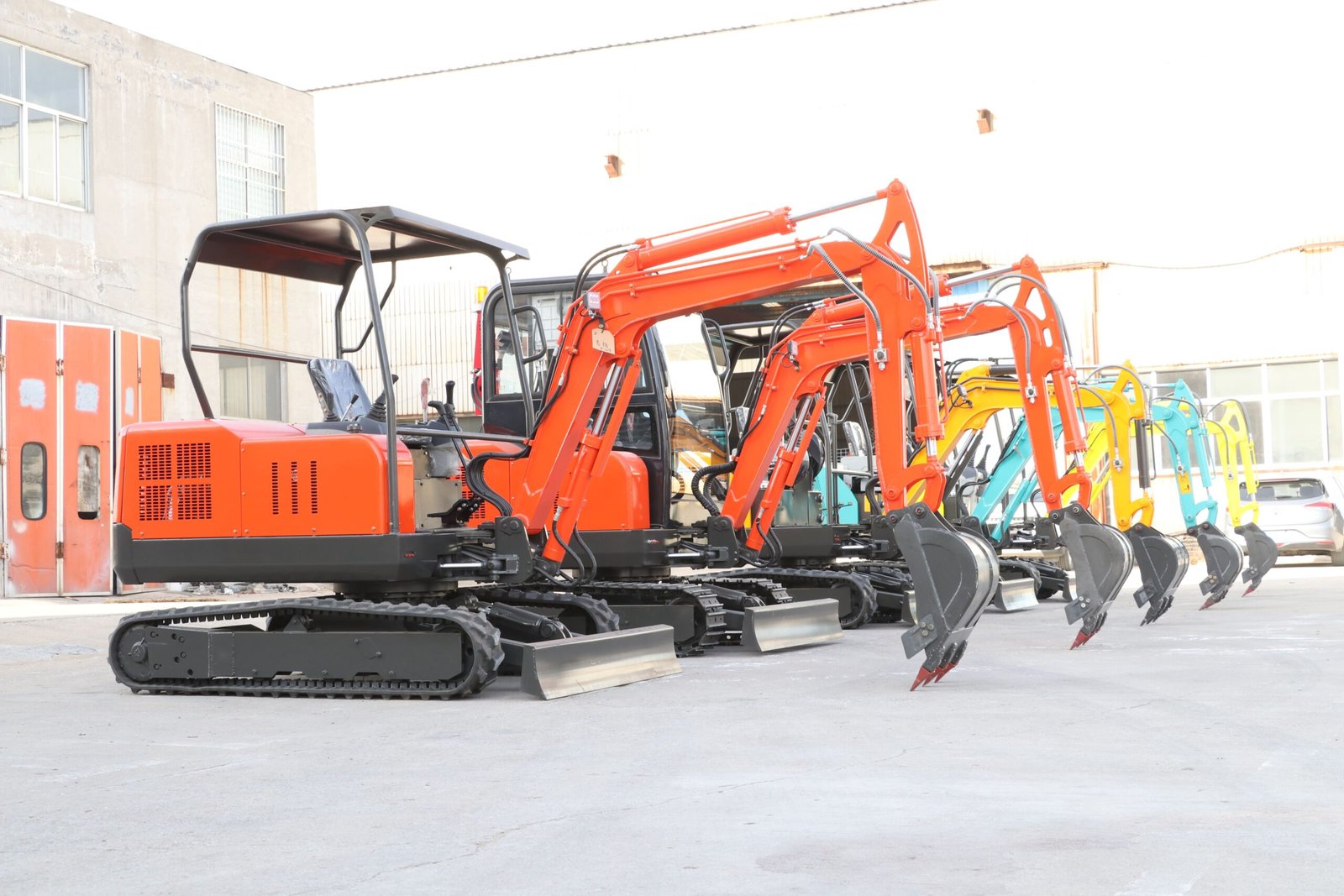
Les principales différences résident dans la maniabilité, la stabilité et la puissance de levage. Une pelle sans déport arrière excelle dans les espaces restreints, tandis qu'un modèle conventionnel offre une plus grande capacité de levage et une plus grande stabilité grâce à son contrepoids plus grand.
Pour vous aider à visualiser ces différences, j'ai dressé un tableau qui les répartit par domaines de performance clés. C'est le genre de comparaison que nous effectuons chaque jour avec nos clients pour nous assurer qu'ils obtiennent l'ajustement parfait.
| Fonctionnalité | Excavatrice à oscillation zéro | Excavatrice conventionnelle |
|---|---|---|
| Rayon d'oscillation de queue | Les logements restent dans la largeur des voies. | L’habitat s’étend bien au-delà des voies ferrées. |
| Idéal pour | Zones urbaines, travaux intérieurs, le long des murs, ruelles étroites. | Chantiers à ciel ouvert, carrières, terrassements à grande échelle. |
| Capacité de levage | Généralement inférieur en raison d'un contrepoids plus compact. | Plus haut, offrant une puissance de levage maximale pour sa catégorie de taille. |
| Stabilité | Bon, mais moins stable qu'un modèle classique. | Excellent, grâce au contrepoids large et allongé. |
| Empreinte du chantier | Plus petit, nécessite moins d’espace pour fonctionner en toute sécurité. | Plus grand, nécessite une zone large et dégagée pour une rotation complète. |
| Sécurité dans les limites | Haut. Réduit le risque de collision avec des objets à proximité. | Inférieur. Nécessite un observateur et une plus grande sensibilisation de l'opérateur. |
Le compromis est clair : vous échangez la maniabilité suprême d’un déport arrière nul contre la puissance brute et la stabilité d’une excavatrice conventionnelle. Ni l’un ni l’autre n’est « meilleur » dans toutes les situations ; ce sont simplement des outils différents pour des tâches différentes. Comprendre ce compromis est la première étape pour choisir la bonne machine pour votre flotte.
Une excavatrice à déport zéro est-elle toujours le meilleur choix ?
Avec son design moderne, il est tentant de penser que le déport arrière nul est toujours l’option supérieure. Cette hypothèse peut vous amener à acheter une machine sous-alimentée qui ne convient pas à votre travail.
Non, une pelle sans déport arrière n’est pas toujours meilleure. Il s'agit d'une solution spécialisée conçue pour les espaces confinés. Pour les travaux qui exigent une puissance de levage et une stabilité maximales dans les zones ouvertes, une pelle conventionnelle reste le meilleur choix.
Je tiens à être très clair à ce sujet : le déport arrière nul n’est pas une solution « taille unique ». C’est une brillante pièce d’ingénierie, mais elle comporte un compromis. Pour maintenir le boîtier dans la largeur de la voie, le contrepoids doit être plus petit ou conçu de manière à sacrifier un certain effet de levier. Pensez-y comme à un haltérophile essayant de soulever une lourde barre. Un haltérophile avec une position large et stable peut soulever plus de poids en toute sécurité qu’un haltérophile avec les pieds rapprochés. Le grand contrepoids saillant de la pelle conventionnelle ressemble à cette position large et stable. Il fournit un ancrage, permettant à la machine de soulever des charges plus lourdes plus loin de son centre. Pour un travail où vous déplacez constamment des matériaux lourds et disposez de beaucoup d’espace pour travailler, le choix d’un modèle à déport arrière nul pourrait en fait vous ralentir et réduire votre productivité globale.
Quel type de pelle convient le mieux à votre projet ?
Vous comprenez les différences, mais vous devez maintenant prendre la décision finale. Passer cet appel peut encore sembler intimidant lorsque les délais de votre investissement et de votre projet sont en jeu.
Utilisons une simple liste de contrôle pour vous guider. Pour choisir, évaluez votre chantier typique. Si vous travaillez fréquemment dans des zones urbaines, près de murs ou à l’intérieur, un déport arrière nul est probablement préférable. Pour les travaux lourds en plein champ, un modèle conventionnel est plus adapté.
Au cours de mes années dans ce secteur, j’ai découvert que poser quelques questions simples peut rapidement vous orienter dans la bonne direction. Parcourez cette liste de contrôle pour votre prochain projet.
Évaluez votre espace de travail
- Question: Travaillerez-vous dans des rues étroites de la ville, entre des bâtiments existants ou juste à côté d’une voie de circulation ?
- Répondre: Si oui, un Déplacement arrière nul est votre option la meilleure et la plus sûre. Cela minimise les perturbations et le risque de contact accidentel.
- Question: Avez-vous un grand espace ouvert avec beaucoup d’espace de manœuvre et de balancement ?
- Répondre: Si oui, un Excavatrice conventionnelle vous permettra de travailler avec une productivité maximale.
Évaluez vos besoins de levage
- Question: Vos tâches principales consistent-elles à creuser des tranchées, à niveler légèrement et à déplacer des matériaux qui correspondent bien à la capacité standard de la machine ?
- Répondre: Si oui, un Déplacement arrière nul sera plus que capable de gérer le travail.
- Question: Avez-vous besoin de soulever et de placer des objets lourds comme des barrières en béton, de gros tuyaux ou de manipuler des accessoires lourds ?
- Répondre: Si oui, vous avez besoin de la stabilité et de la puissance de levage supérieures d'un Excavatrice conventionnelle.
Tenez compte de votre profil de sécurité et de risque
- Question: Est-ce que minimiser le risque d’endommager les propriétés environnantes est votre priorité absolue ?
- Répondre: Si oui, la conception d'un Déplacement arrière nul réduit intrinsèquement ce risque, ce qui peut être un facteur majeur pour votre assurance et la satisfaction de vos clients.
- Question: Votre équipage est-il bien formé et travaillez-vous généralement dans des environnements clairs et contrôlés où un observateur peut être utilisé efficacement ?
- Répondre: Si oui, un Excavatrice conventionnelle peut être utilisé de manière sûre et efficace.
Comment les modèles Zero Tail Swing de HIXEN s’intègrent-ils ?
Vous pouvez voir la valeur qu’une excavatrice à déport arrière nul pourrait apporter à vos projets spécifiques. Vous devez désormais trouver une machine fiable, puissante et rentable à laquelle vous pouvez faire confiance.
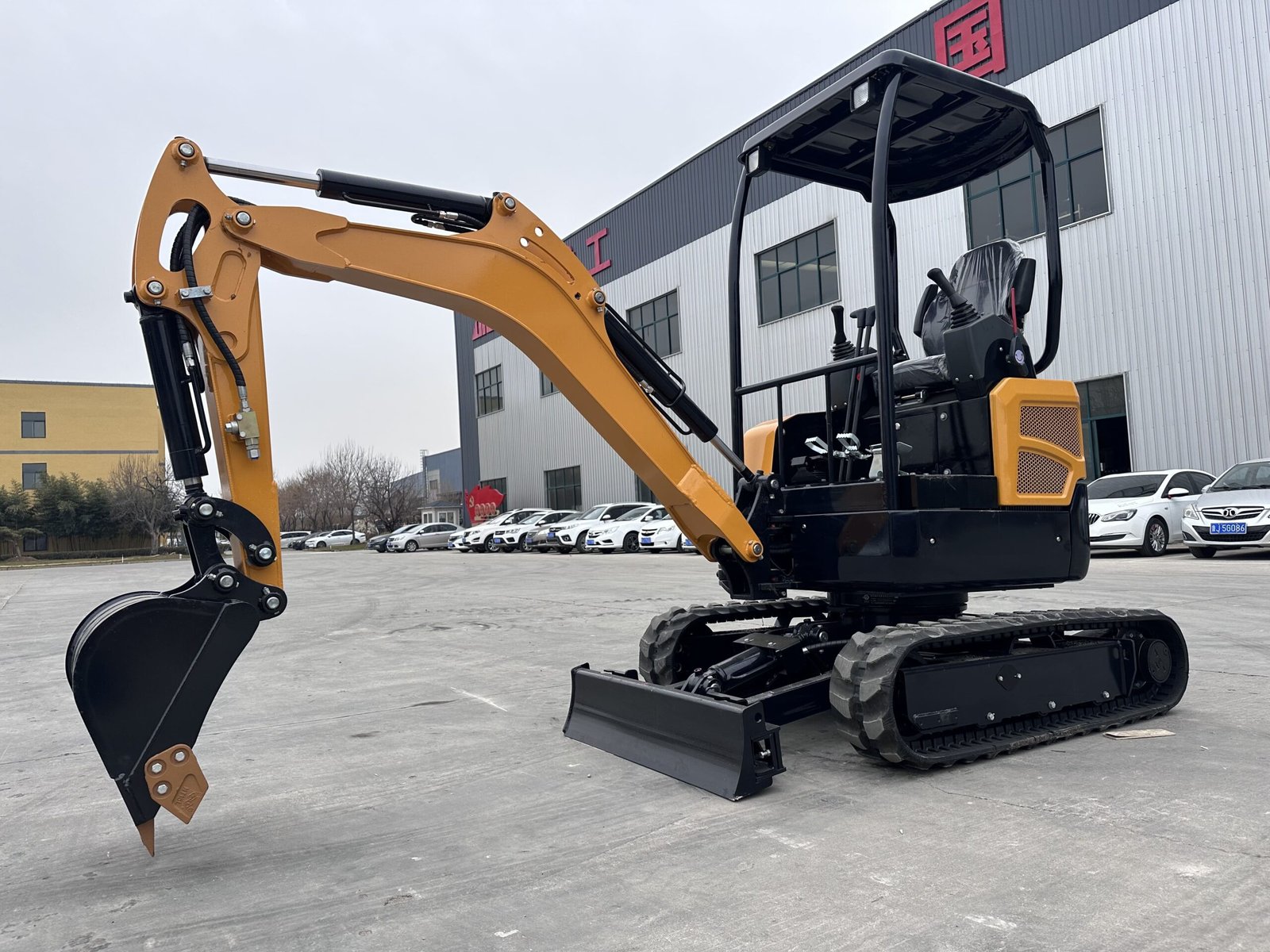
Nos modèles HIXEN, comme le HX20T, HX25T et HX30T, sont conçus spécifiquement pour ces scénarios difficiles. Ils combinent l’agilité d’un déport arrière nul avec la durabilité et la puissance nécessaires aux travaux réels.
Nous ne construisons pas seulement des machines ; nous construisons des solutions aux problèmes auxquels nos clients sont confrontés chaque jour. J’ai pu constater par moi-même les performances de ces modèles sur le terrain. Par exemple, notre HX20T est une machine fantastique pour la démolition intérieure car elle est suffisamment compacte pour passer à travers une porte standard mais a la puissance nécessaire pour effectuer un travail sérieux. Nos clients qui effectuent des travaux municipaux adorent HX25T. Ils peuvent l'utiliser pour creuser une tranchée pour une nouvelle conduite d'eau directement au bord d'une route sans avoir à fermer une deuxième voie de circulation. Et pour les travaux qui nécessitent un peu plus de portée et de profondeur, comme l'aménagement paysager juste contre la nouvelle clôture d'une propriété, le HX30T is perfect. It provides that extra capability without the risk of the tail swing causing any damage. These machines embody our core value of “Quality and Respect”—respect for your workspace, your safety, and your investment.
Conclusion
The best excavator isn’t about zero tail swing versus conventional. It’s about matching the machine’s design—its unique maneuverability or its superior stability—to the specific demands of your project.

