
Struggling with the high cost and hassle of using separate cranes and forklifts? This juggling act wastes time and money. A telehandler is the single-machine solution you need.
A telehandler, short for “telescopic handler,” is a versatile machine that acts like a forklift and a small crane combined. It uses a long, extendable boom to lift and place heavy materials at great heights and distances, making it a crucial tool in construction and agriculture.
For over 15 years, I’ve been involved in manufacturing these incredible machines here at our HIXEN factory in Taian, Shandong. I’ve seen firsthand how they transform job sites. They are not just another piece of equipment; they are a complete system for material handling. But to really understand their value, you need to see what sets them apart. Let’s explore what is a telehandler such a powerful and essential tool for so many industries.
What is a telehandler?
Confused by the term “telehandler” or “telescopic forklift”? It looks like a forklift but acts like a small crane. Let’s break down this versatile machine for you.
A telehandler is a machine with a long, extendable arm, also known as a boom. It combines the material handling ability of a forklift with the lifting power and reach of a crane, making it incredibly useful for many jobs.
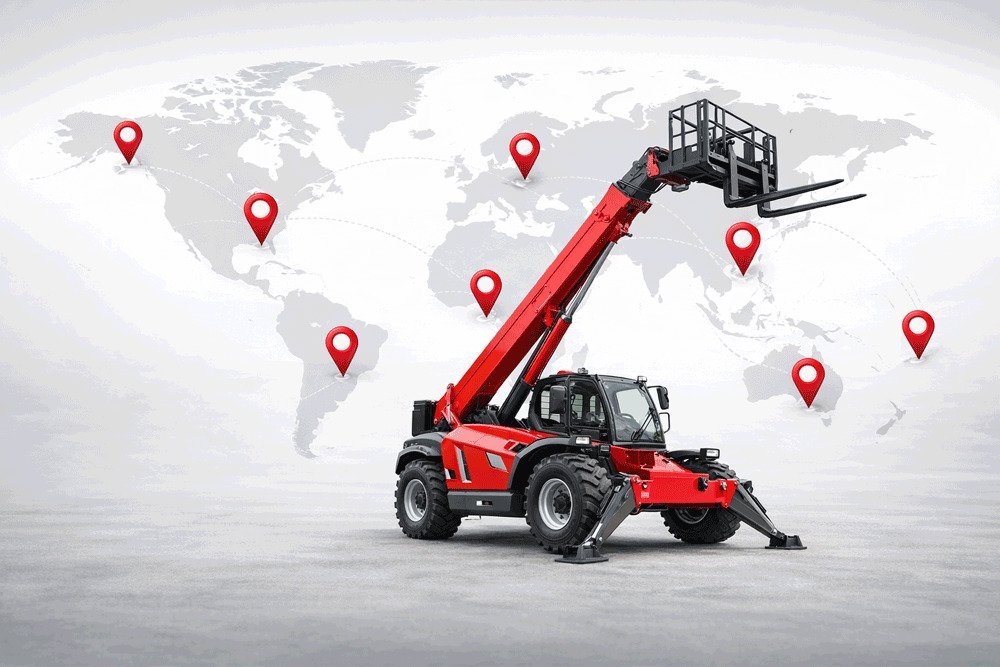
A telehandler is a true hybrid machine. At our factory, I often explain it to new clients as a “Swiss Army knife for construction sites.” It has three main parts: the chassis with the engine and cab, the telescopic boom, and the attachment at the end of the boom. The magic is in the boom, which is made of several sections that slide out from one another, powered by hydraulics. This is what gives the machine its incredible reach. Unlike a forklift that only moves up and down, a telehandler can move a load up, down, forward, and away from the machine. This unique ability allows it to perform tasks that would otherwise require two separate machines, saving you time and money.
What Makes a Telehandler Different from a Standard Forklift?
Your forklift is great, but it can’t reach the second floor or place materials over a ditch. This limitation stops your work and creates frustrating delays on the job.
The key difference is the boom. A forklift’s mast only moves up and down. A telehandler has a telescopic boom that extends forwards and upwards. This gives it incredible reach, allowing it to place loads over obstacles and at heights a standard forklift can’t manage.
Let me break it down further. I often talk to customers who are used to traditional forklifts. They think in terms of vertical movement only. A telehandler changes that way of thinking. Its main advantage is its reach. Imagine you need to place a pallet of bricks on a balcony on the second story of a building. A forklift can’t do that. It can only lift the pallet straight up next to the building wall. A telehandler, however, can extend its boom out and over the balcony railing, placing the pallet exactly where your crew needs it. This ability to work “over and across” obstacles is what makes it so valuable. It’s a game-changer for efficiency.
Telehandler vs. Forklift: A Quick Comparison
| Feature | Standard Forklift | Telehandler |
|---|---|---|
| Movement | Vertical (Up/Down) | Vertical & Horizontal (Up/Out) |
| Primary Tool | Mast with Forks | Telescopic Boom with Attachments |
| Reach | Limited to vertical height | Extended forward and upward reach |
| Versatility | Primarily for pallets | Multi-purpose with various attachments |
| Terrain | Mostly flat, stable surfaces | Can handle rough, uneven terrain |
This difference means you can do more with less equipment.

What Are the Main Jobs a Telehandler Can Do?
Your job site is filled with different machines for lifting, moving, and placing materials. This complexity slows down your projects and drives up costs for fuel and maintenance.
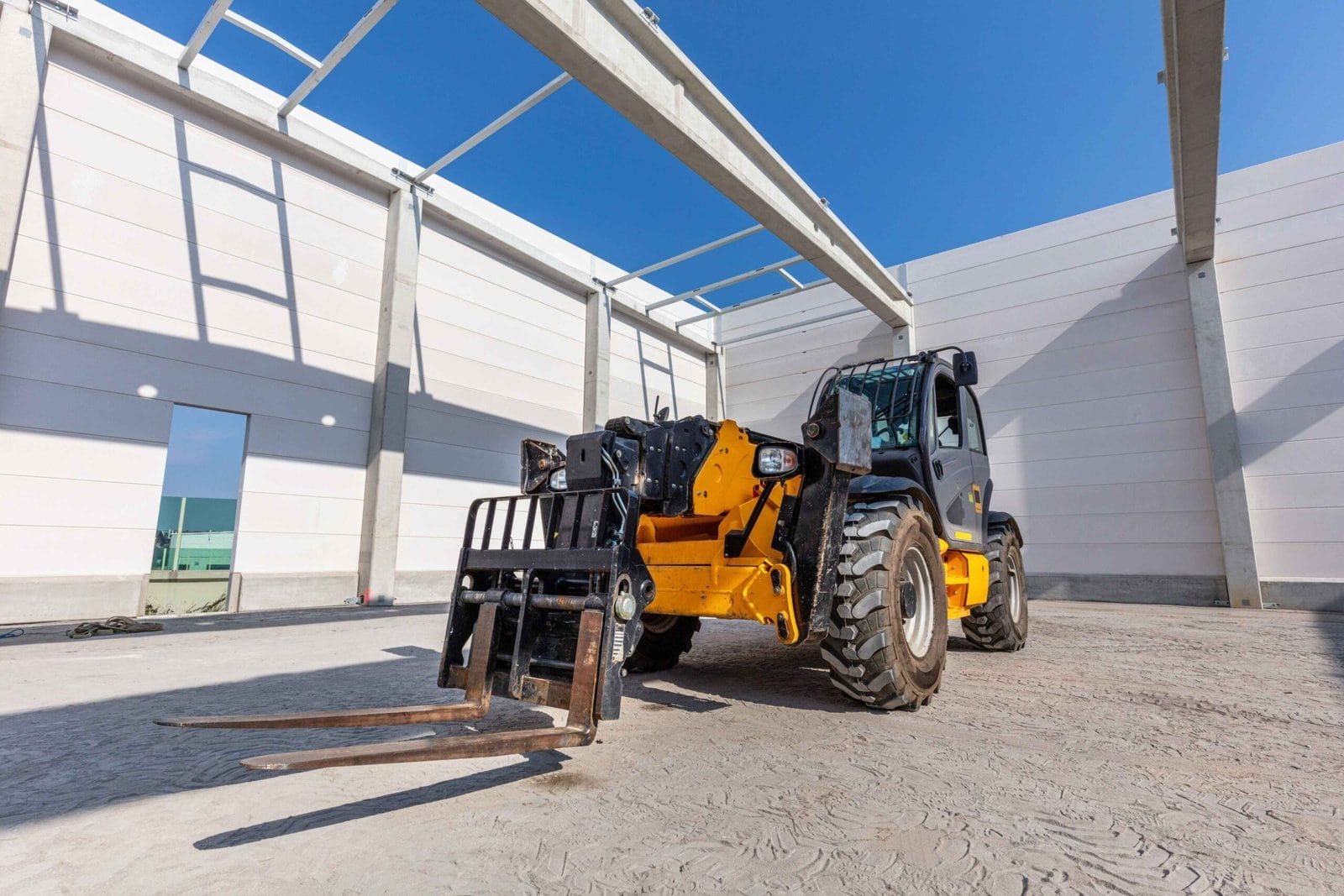
A telehandler is a master of many tasks. It moves pallets of blocks, places heavy steel beams, and lifts pipes. It also loads and unloads trucks, positioning materials with precision at high elevations. It is a true multi-tool for lifting and moving almost anything.
At our HIXEN factory, we design our telehandlers to be workhorses. We know you need a machine that does more than one thing. For example, in construction, I’ve seen our customers use a single telehandler to do the work of three different machines in one day. In the morning, it unloads pallets of materials from a delivery truck using its standard forks. Then, with a quick change to a jib attachment, it lifts roof trusses into place like a small crane. In the afternoon, with a bucket attached, it moves gravel from one side of the site to the other. This isn’t just about convenience; it’s about pure efficiency. You reduce machine hours, save fuel, and need fewer operators on site. This versatility is what helps our clients reduce project costs and finish jobs faster.
Common Telehandler Applications
- Construction: Lifting bricks, blocks, and lumber to upper floors. Placing steel beams and trusses.
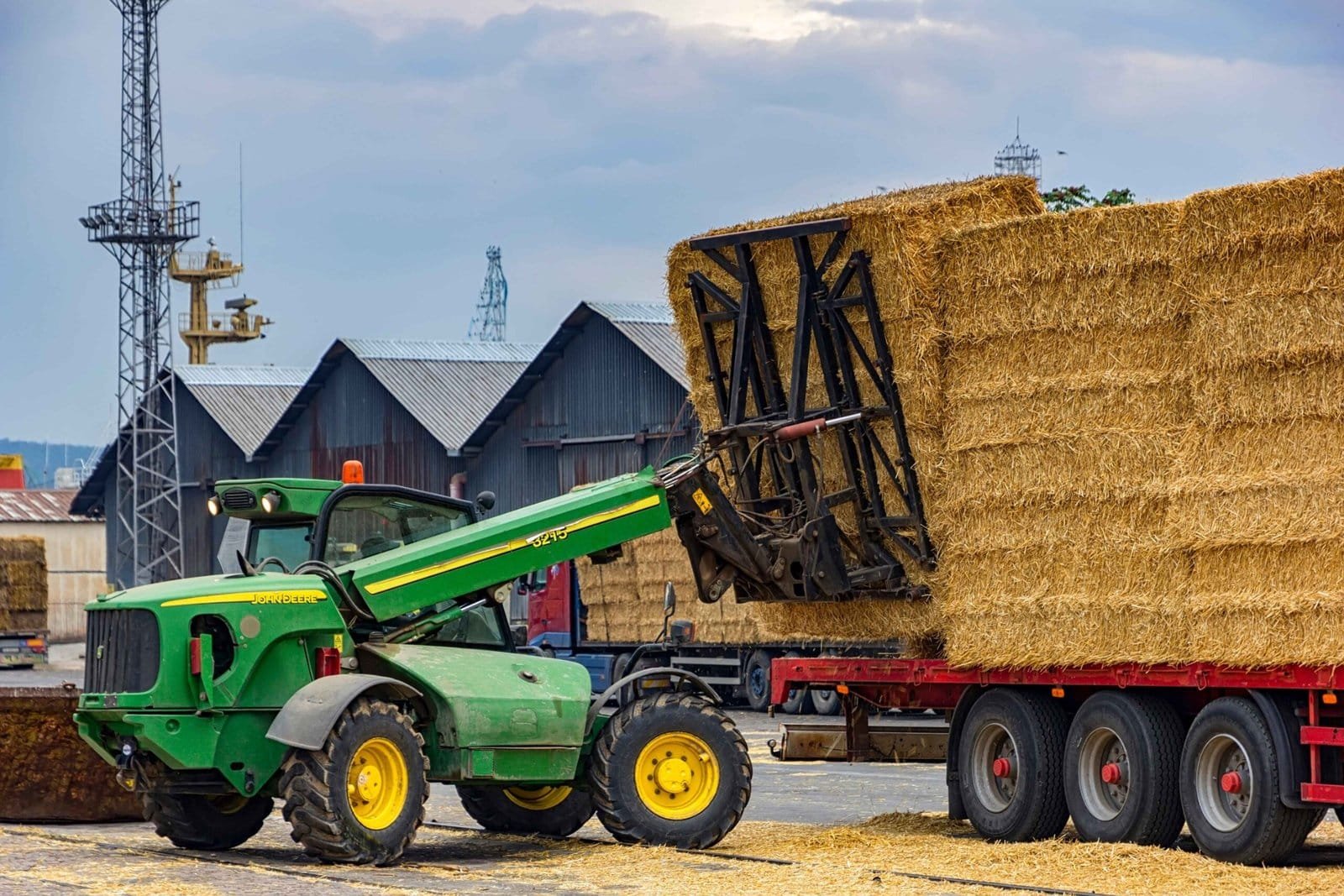
- Agriculture: Stacking hay bales, moving feed, and loading/unloading equipment.
- Warehousing: Reaching deep into trucks or over other stock to place pallets.
- Landscaping: Moving rocks, soil, and large trees.
The list goes on, limited only by the attachments you have.
What are the benefits of a telehandler?
Are you looking for more efficiency on your job site? Using the wrong equipment slows you down and costs you money. A telehandler offers unmatched versatility, reach, and power.
The main benefits are versatility, reach, and power. One machine can do the work of a forklift and a small crane. Its long boom lifts materials higher and farther than a forklift, and it performs well on rough terrain.
When clients ask me why they should choose a telehandler, I focus on three key advantages. First is versatility. With a quick-change attachment system, you can go from lifting a pallet with forks to moving dirt with a bucket in minutes. This means you need fewer machines on site. Second is the incredible reach and height. A standard forklift can’t place a pallet on a third-story balcony, but a telehandler like our HX5018 with its 18-meter reach can do it easily. This capability opens up new possibilities. Third is its off-road performance. Most of our telehandlers have 4-wheel drive and large tires, so they work great on the mud, gravel, and uneven ground common on construction and farm sites. It provides stability and power where a normal forklift would get stuck. It’s a single investment that solves multiple problems.
How does a telehandler work?
Are you curious about the mechanics behind this powerful machine? It might look complex, but the operating principle is straightforward. Let’s look at the basic components that give it power.
A telehandler works using a powerful hydraulic system. The diesel engine powers pumps that send hydraulic fluid to cylinders. These cylinders extend and retract the boom sections, tilt the attachments, and control the steering for precise load placement.
Think of the hydraulic system as the machine’s muscles. The engine is the heart, pumping hydraulic fluid (the blood) to where the work needs to be done. When the operator moves a lever in the cab, it directs high-pressure fluid to a hydraulic cylinder. This cylinder might extend the boom, tilt the forks, or turn the wheels. Our HIXEN telehandlers, for example, have advanced hydraulic systems that allow for smooth and precise movements. Another key feature is the steering. Many models offer three steering modes: front-wheel steer for driving on the road, four-wheel steer for tight turns, and crab steer for moving the entire machine sideways. I love showing customers the crab steer function; it allows them to navigate into tight spaces next to a building with incredible ease. It’s this combination of power and control that makes the telehandler so effective.
What attachments are available for a telehandler?
Do you think a telehandler is only for lifting pallets? You are missing out on its true potential. A wide range of attachments can transform it into a job site multi-tool.
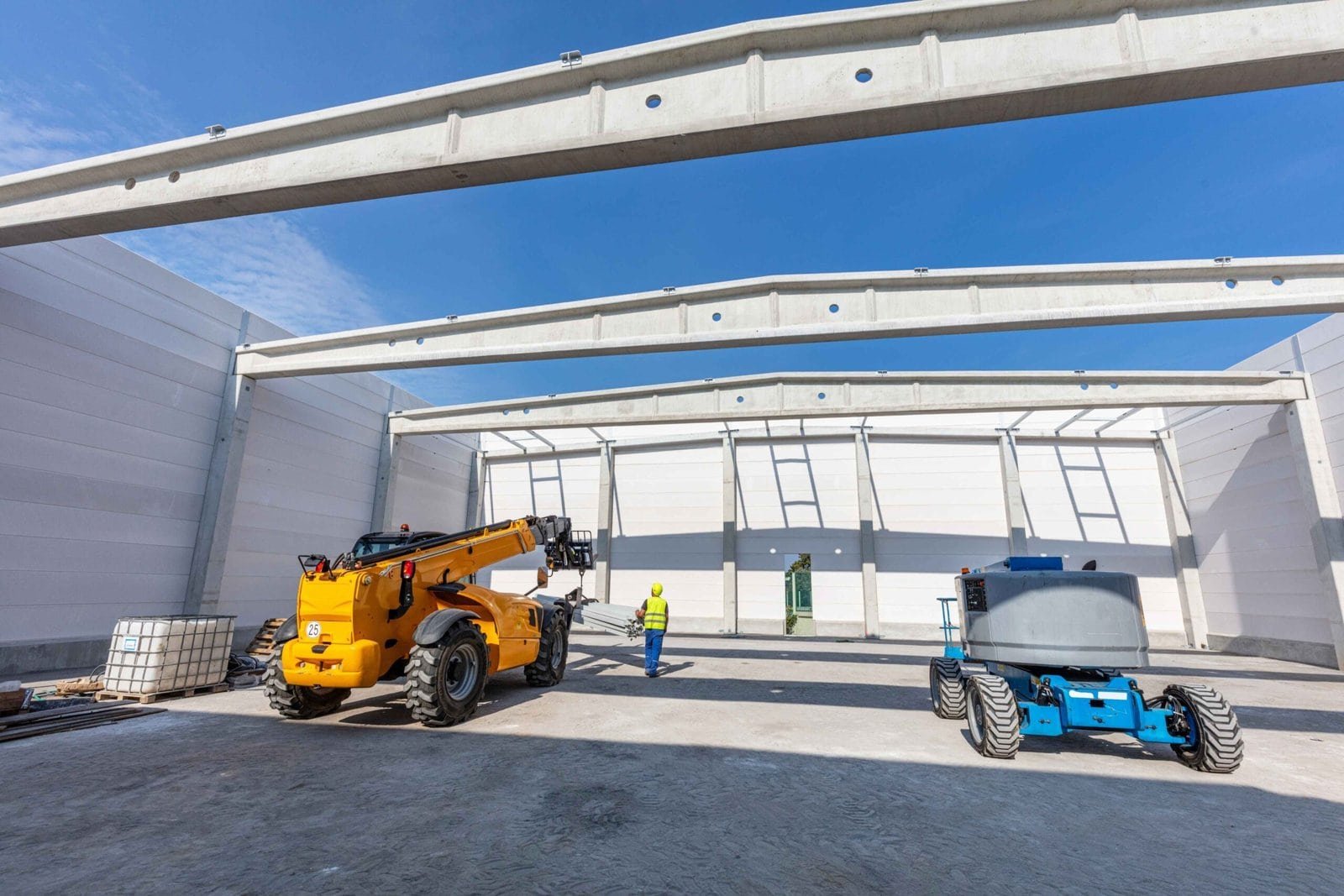
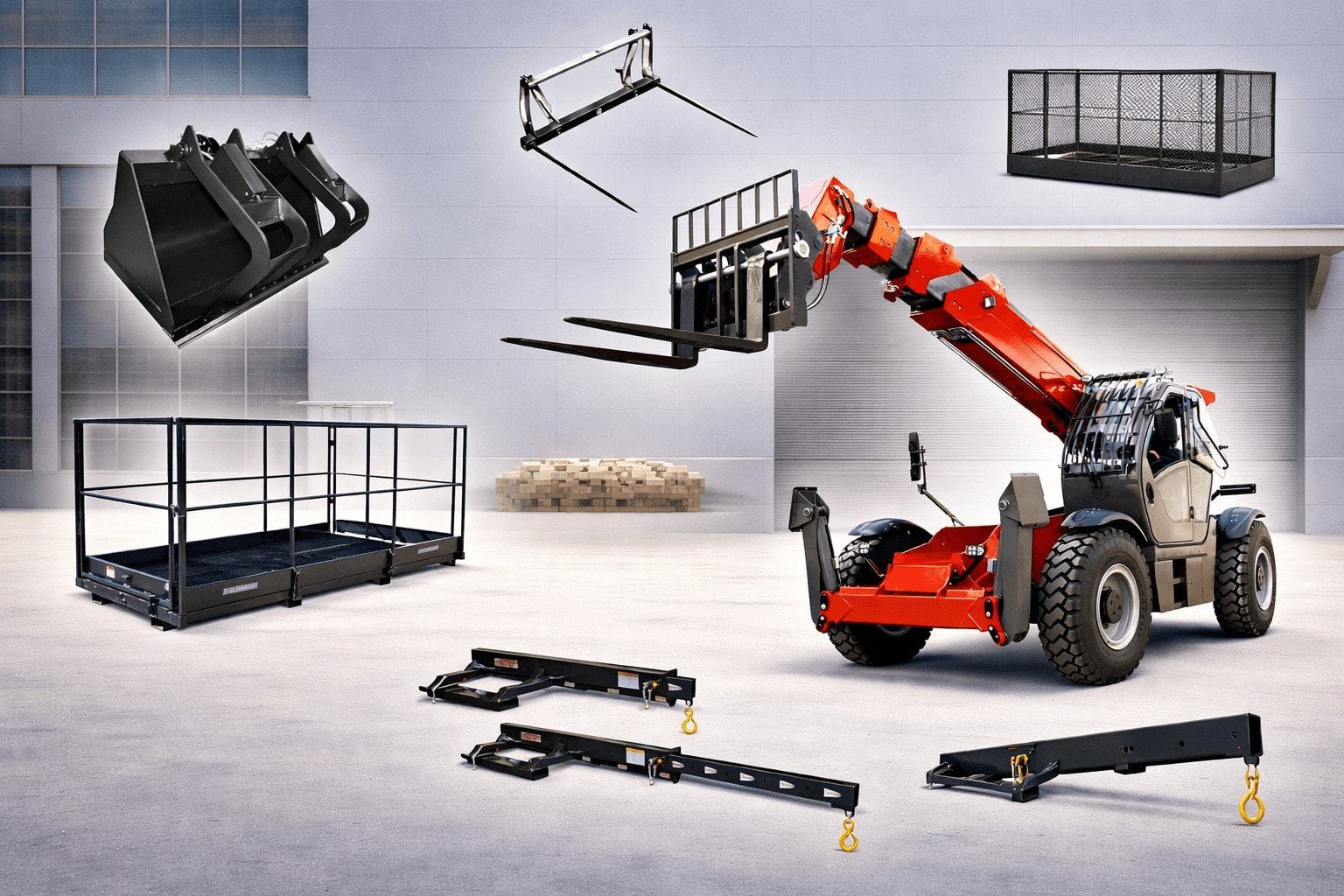
Common attachments include forks for pallets, buckets for loose material like dirt, grapples for logs or pipes, and work platforms for lifting people. This ability to change tools is what makes the telehandler so valuable.
The right attachment unlocks a telehandler’s full potential. It’s what makes the machine so cost-effective. Instead of buying a forklift, a loader, and a small crane, you can buy one telehandler and several attachments. Over the years, we’ve helped customers find attachments for all kinds of jobs. Buckets are popular for landscaping and snow removal. Grapples are essential in forestry and recycling yards for handling irregular loads. And work platforms, or “man baskets,” are a safe way to lift workers for maintenance, painting, or installation jobs. At HIXEN, we ensure our telehandlers have a universal quick-attach system, so connecting and disconnecting these tools is fast and simple. This allows an operator to switch tasks in just a few minutes, maximizing productivity throughout the day.
| Attachment | Primary Use |
|---|---|
| Pallet Forks | Standard for lifting pallets, lumber, and crated goods. |
| Bucket | Moving loose materials like dirt, sand, gravel, or snow. |
| Grapple | Grabbing and moving irregular items like logs, pipes, or scrap metal. |
| Work Platform | Safely lifting workers to perform tasks at height. |
| Lifting Jib/Hook | Suspending loads, similar to a small crane. |
How Do You Choose the Right Telehandler Model?
Picking the wrong size machine is a costly mistake. It might not lift high enough for your building project or carry enough weight for your materials, leaving you stuck.
To choose the right model, focus on two main numbers: lift capacity (the maximum weight it can carry) and lift height (the maximum reach). Match these specs to the heaviest loads and highest points you will encounter on your jobs. This ensures performance and safety.
When a potential dealer or buyer contacts me, the first questions I ask are always, “What is the heaviest thing you need to lift?” and “How high do you need to lift it?” The answers determine the right machine. For instance, our HIXEN models are named to make this easy. A model like our HX4014 can lift 4 tons and has a reach of 14 meters. If you are a contractor building three-story apartment buildings, this might be the perfect fit. If you are a farmer stacking hay bales, a smaller model like the HX3007 (3 tons, 7 meters) could be more than enough. It’s important to look at the load chart, which shows how much weight the machine can safely lift at different boom extensions and angles. Always choose a machine that can comfortably handle more than your absolute maximum requirement.
HIXEN Telehandler Models at a Glance
| Model | Max Load Capacity | Max Lift Height | Best For |
|---|---|---|---|
| HX3007 | 3 Tons | 7 Meters | Small construction, farming, yard work |
| HX3507 | 3.5 Tons | 7 Meters | General construction, rental yards |
| HX4010 | 4 Tons | 10 Meters | Multi-story residential projects |
| HX4014 | 4 Tons | 14 Meters | Commercial construction, demanding reach |
| HX5018 | 5 Tons | 18 Meters | Heavy industrial work, large structures |
| HX6022 | 6 Tons | 22 Meters | Major infrastructure projects, maximum reach |
Thinking about your specific needs first will always lead you to the right choice.
Conclusion
A telehandler is a powerful, versatile machine that combines reach with capacity. Understanding its uses and choosing the right model and attachments can greatly improve your job site’s efficiency.

