
Choosing the right telehandler is crucial. Picking the wrong size can waste time and money. Let’s find out which machine is the perfect fit for your specific needs.
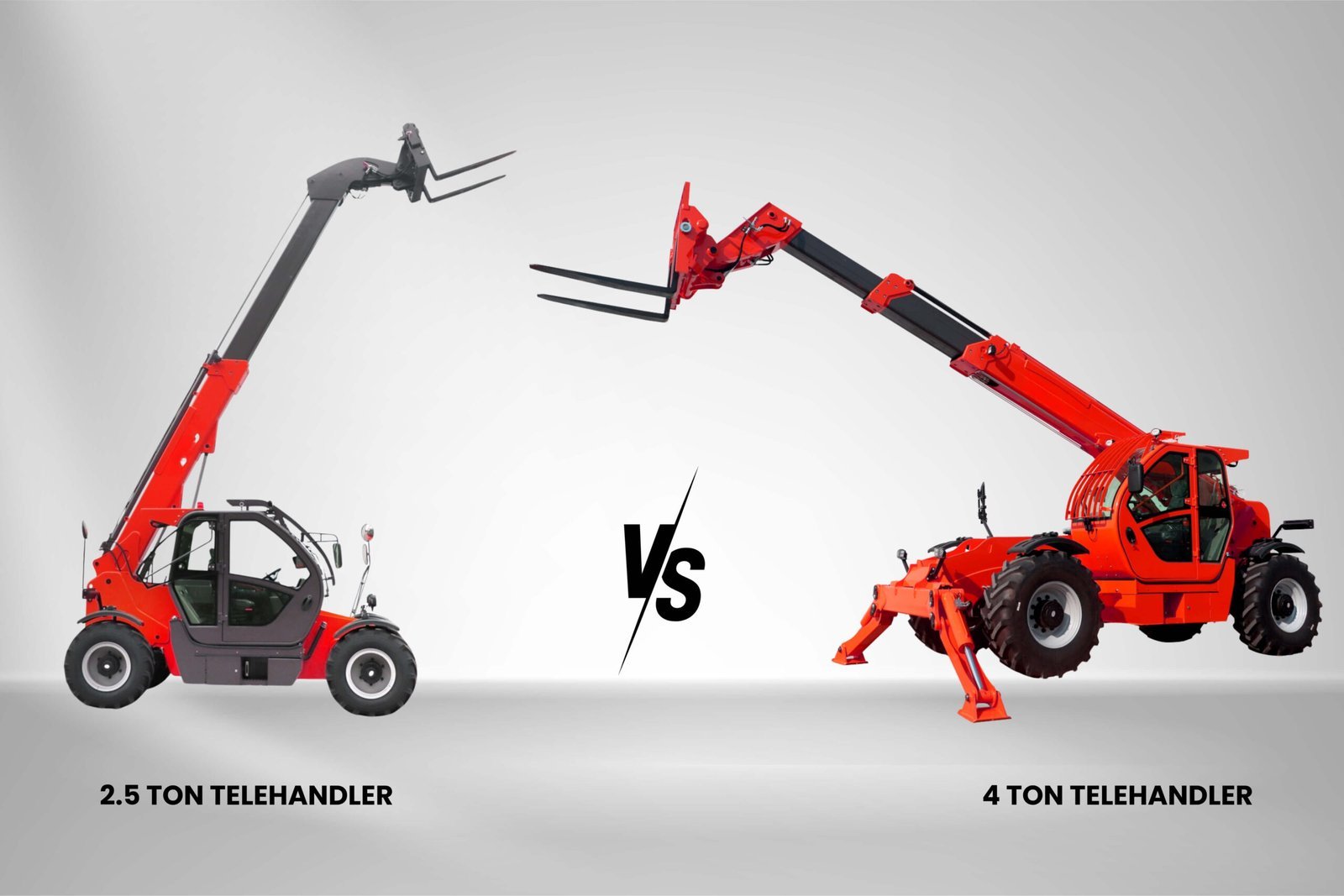
The best choice depends on your needs. A 4 ton telehandler is our standard, built for heavy loads and common on most sites. A 2.5-ton model is smaller and more agile for lighter tasks, but often requires custom manufacturing. Your load and workspace decide.
The difference between 2.5 ton vs 4 ton telehandler is more than just lifting power. It affects everything from where you can work to how quickly you can get the machine. Let’s break down the key details so you can make a smart investment for your business. This will help you get the right tool for the job.
Is a 2.5 Ton Lift Capacity Enough for Your Job?
Worried a smaller telehandler won’t handle your materials? Overloading is dangerous and can damage the machine. Let’s see if a 2.5-ton capacity truly meets your daily requirements.
A 2.5-ton telehandler is perfect for lighter, consistent loads in places like warehouses or distribution centers. For heavier materials in construction or manufacturing, the 4-ton model is the safer, more capable choice. Your average load weight is the most important factor here.
The most obvious difference is the maximum load capacity. A 2.5-ton telehandler can lift up to 2.5 metric tons. This makes it ideal for tasks in logistics, agriculture, or warehouses where you are consistently moving pallets that are well under this limit. Its strength is its agility and efficiency for these specific jobs.
On the other hand, the 4-ton telehandler is our most popular model for a reason. It offers much more versatility. It can handle the lighter loads easily but also has the power for heavy lifting on construction sites, in manufacturing plants, or large storage yards. This extra capacity provides a safety margin and opens up more possibilities for use. Think about your heaviest regular lift. That number will point you toward the right machine.
Capacity at a Glance
| Feature | 2.5 Ton Telehandler | 4 Ton Telehandler |
|---|---|---|
| Max Capacity | 2,500 kg (5,500 lbs) | 4,000 kg (8,800 lbs) |
| Ideal For | Palletized goods, farming, landscaping | Heavy construction materials, industrial |
| Common Loads | Bags of feed, light pallets, tools | Steel beams, concrete blocks, machinery |
Does a Bigger Telehandler Mean Higher Fuel Costs?
Are you concerned about the running costs of a powerful machine? High fuel consumption can eat away at your profits over time. Let’s look at the engines.
Yes, a larger machine usually means higher fuel costs. The 4-ton telehandler requires a more powerful engine to lift heavy loads, so it uses more fuel. The 2.5-ton model is more economical, using a smaller engine that’s perfect for less demanding jobs.
Power directly relates to performance and cost. A 2.5-ton telehandler is typically fitted with a smaller, more fuel-efficient engine. This is great for businesses looking to keep operational costs low, especially if the machine will be used for many hours a day on lighter tasks. The engine provides enough power for its rated capacity without waste.
In contrast, the 4-ton telehandler needs a robust, high-torque engine to handle its maximum load and navigate rough terrain. This bigger engine will naturally consume more diesel. While the fuel bill is higher, the power it delivers is essential for heavy-duty applications. You can’t move 4 tons of material without it. The choice is a trade-off: do you need the lower running costs of the 2.5-ton or the raw power of the 4-ton?
Power System Comparison
| Aspect | 2.5 Ton Telehandler | 4 Ton Telehandler |
|---|---|---|
| Engine Size | Smaller, more efficient | Larger, more powerful |
| Fuel Type | Typically Diesel (Electric possible) | Almost always Diesel |
| Consumption | Lower | Higher |
| Best For | Cost-conscious, lighter operations | Power-demanding, heavy applications |
Will a 4 Ton Telehandler Fit in Your Workspace?
Do you work in tight or crowded spaces? A bulky machine can’t navigate confined areas, causing delays and frustration. Let’s compare their physical sizes and agility.
A 2.5-ton telehandler is more compact and has a tighter turning radius. This makes it perfect for narrow warehouse aisles or cluttered job sites. The 4-ton model is larger and needs more open space to operate safely and efficiently.
The physical footprint of the telehandler is a critical factor. A 2.5-ton machine is built on a smaller chassis. This makes it much more maneuverable. It can easily get in and out of tight spots, navigate narrow farm gates, or work inside buildings with limited space. Its smaller size means it’s often lighter, which can be better for working on sensitive surfaces.
The 4-ton telehandler is a bigger, heavier machine. Its larger size provides a stable platform for lifting heavy loads to height, especially on uneven ground common to construction sites. However, this size means it needs more room to turn and move. Before choosing, measure your narrowest doorways, aisles, and gates. Your workspace will often decide for you. If you have the space, the 4-ton offers more capability. If you don’t, the 2.5-ton is the clear choice.
Size and Agility
| Dimension | 2.5 Ton Telehandler (Typical) | 4 Ton Telehandler (Typical) |
|---|---|---|
| Overall Length | Shorter | Longer |
| Width | Narrower | Wider |
| Turning Radius | Tighter | Wider |
| Ideal Workspace | Indoors, tight yards, orchards | Open construction sites, large farms |

Should You Choose a Standard Model or a Custom Build?
Do you need a telehandler right away? Waiting for a custom-built machine can delay your entire project. Let’s discuss the difference between standard and custom orders.
Our 4-ton telehandler is a standard model, meaning production is fast and delivery times are shorter. The 2.5-ton is a more specialized, custom machine. It requires extra time for design, engineering load charts, and manufacturing, so the lead time is longer.
This is an important point that many customers don’t consider at first. The 4-ton telehandler is our most common and popular model. We build them all the time. This means the design is finalized, parts are in stock, and our production line is set up for them. The result is a much shorter production cycle. If you need a machine quickly, the 4-ton is almost always the better option.
The 2.5-ton telehandler, however, is a more specialized size that fewer customers request. We consider it a custom build. For example, I remember a client from Brazil who specifically needed a 2.5-ton model. We had to create new designs, calculate specific load charts for safety, and then schedule it for production. This process takes more time. So, you have a choice. If you are in a hurry, the standard 4-ton model is your best bet. If your project has a unique requirement that only a 2.5-ton machine can meet and you can afford to wait, then a custom build is perfect for you.
Conclusion
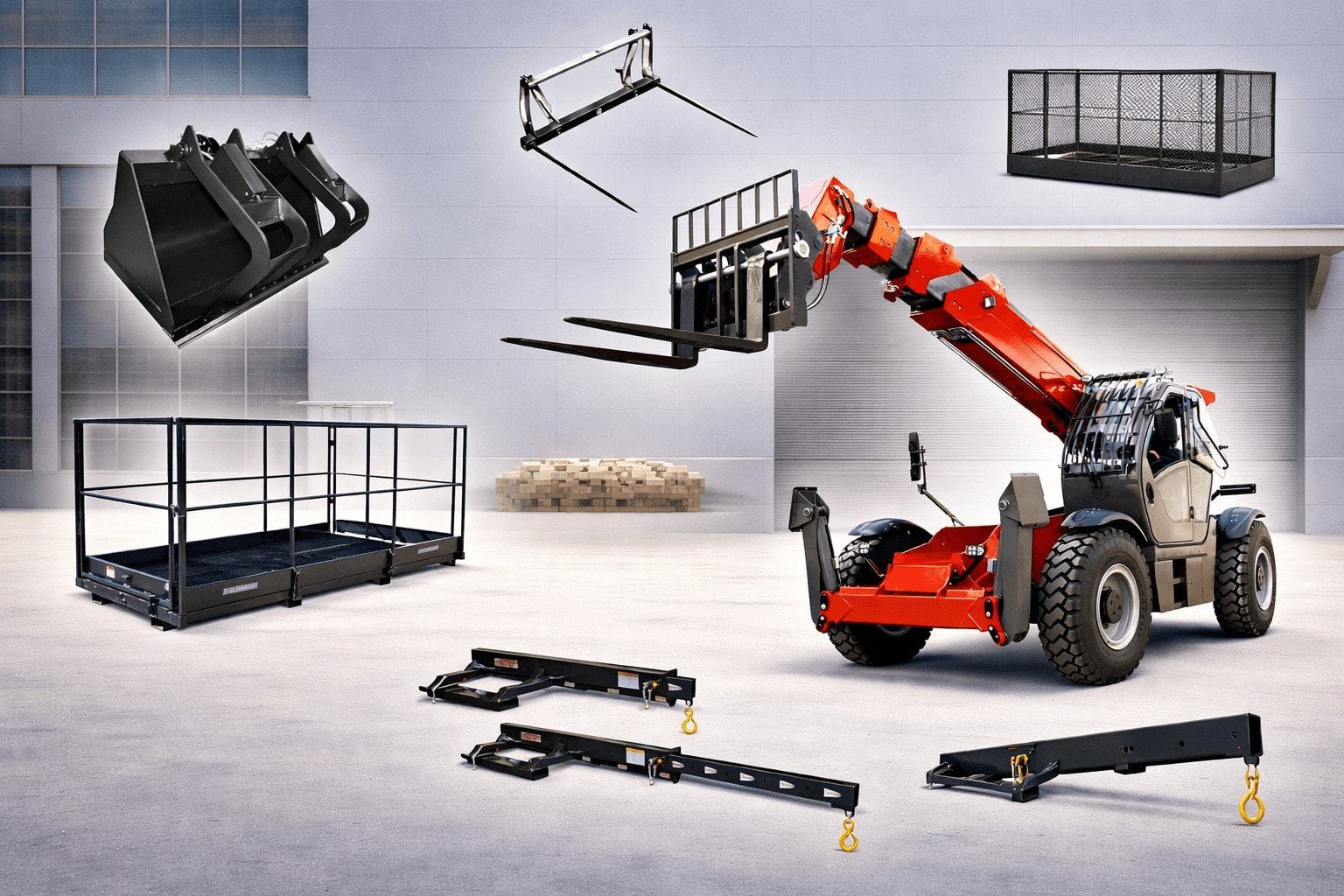
Choosing between a 2.5-ton and 4-ton telehandler depends on your load, workspace, and timeline. The 4-ton is the versatile standard, but the 2.5-ton excels in specific situations.
HIXEN offers telehandlers with payloads ranging from 2.5 to 8 tons and boom lengths from 7 to 18 meters, with customization options available. If you’re looking to purchase a new China telehandler for agricultural, industrial, or warehousing applications, you might want to learn more about HIXEN telehandlers.

