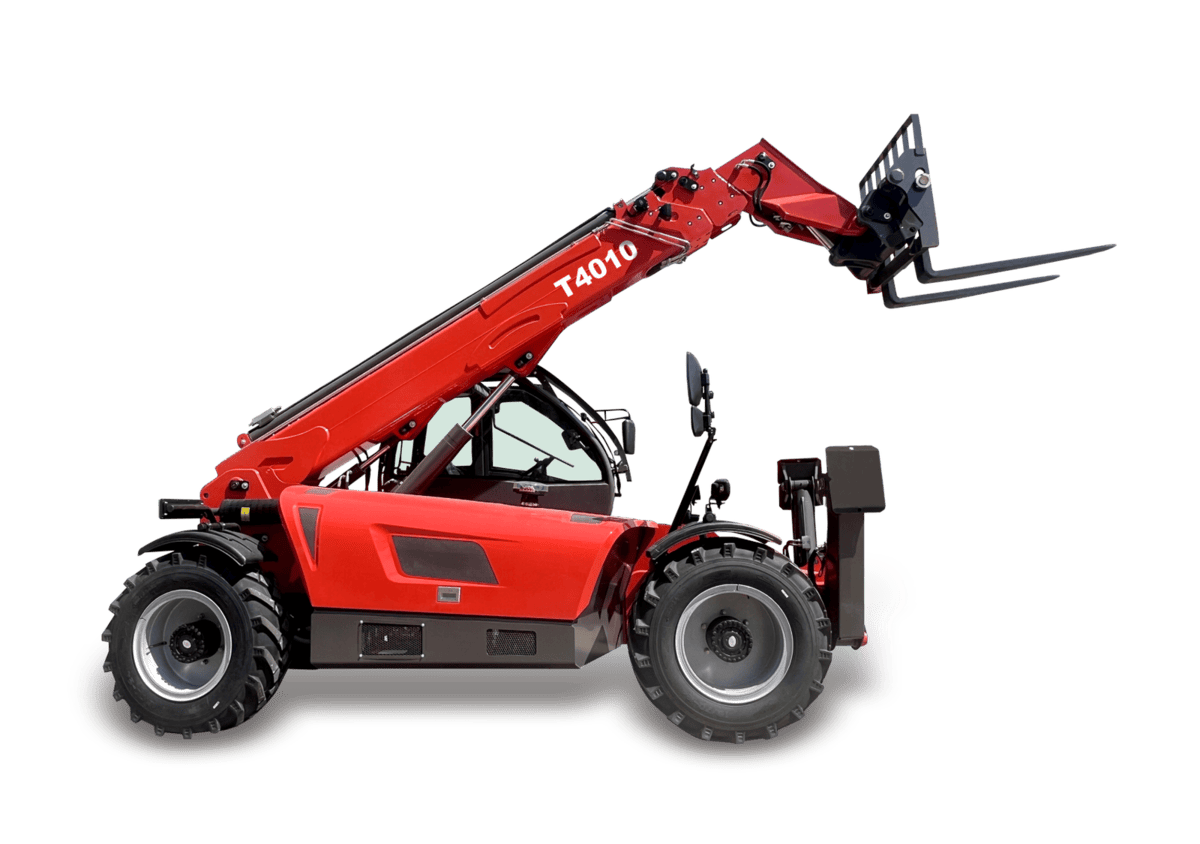
Are you struggling to figure out what telehandler you need? Choosing the wrong lifting height can stop your project cold. I will help you understand the options to make the right choice.
Most standard telehandlers can lift materials between 7 and 18 meters (about 23 to 59 feet). This versatile range covers the majority of applications in construction, agriculture, and warehousing. The specific maximum height depends on the model and its boom configuration.
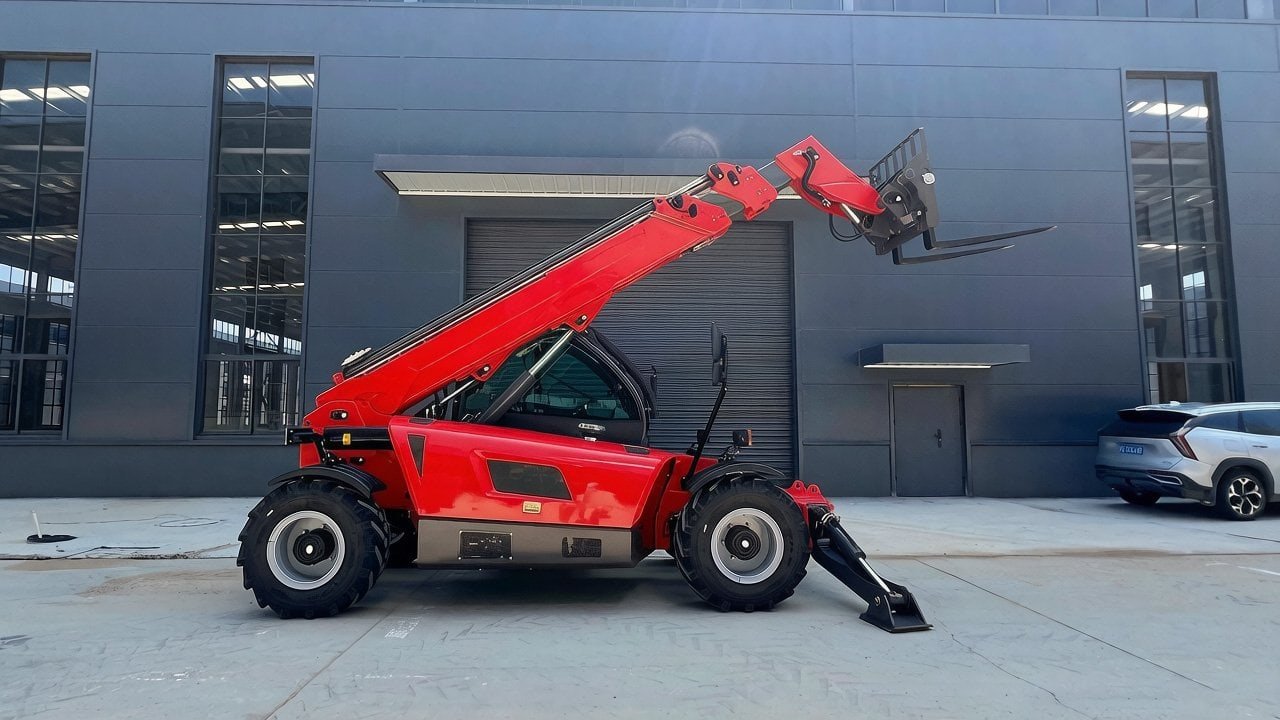
Choosing the right telehandler is a big decision. I’ve been in this business for over 15 years, and I’ve seen it all. A machine that’s too small can’t finish the job. A machine that’s too big is a waste of money. It’s about finding that perfect fit for what you need to do, both today and tomorrow. This guide will walk you through everything you need to know about telehandler lifting heights. We’ll break it down so you can feel confident when you decide. Let’s get into the details to find the right machine for you.
What is the standard lifting height for most telehandlers?
Do you worry that a standard telehandler won’t reach high enough? This uncertainty can make buying one stressful. I can show you the most common heights that work for almost every job.
The most common lifting height for telehandlers is between 7 and 18 meters. This range is the industry standard because it serves the widest variety of tasks. From single-story construction to stacking hay bales high, these machines provide the reach most of our customers need every day.
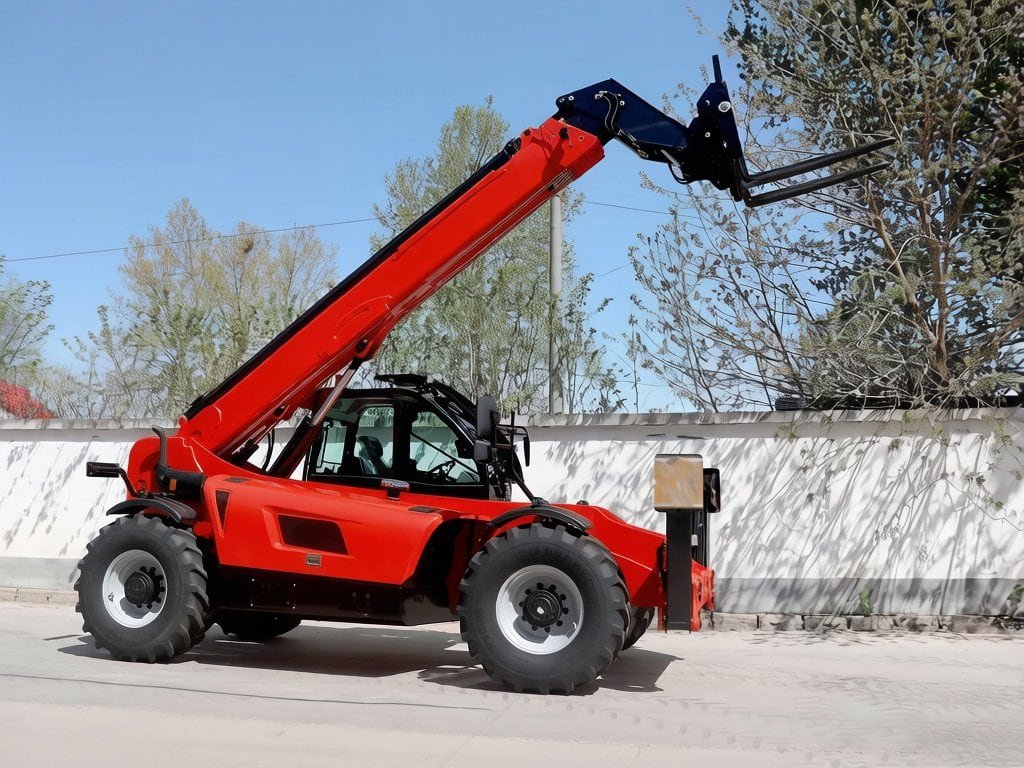
When we talk about “standard” heights, we are talking about the sweet spot for the industry. As a factory, we produce hundreds of telehandlers a month, and the vast majority fall into this 7-to-18-meter category. Why? Because this range offers the best balance of reach, capacity, and cost-effectiveness. A 7-meter machine is perfect for tasks like loading trucks or moving materials around a farm. I remember a customer from France who ran a large farm; our 7-meter, 3-ton model was the perfect tool for his daily work. As you move up in height, like to a 14-meter or 18-meter model, you can handle multi-story building projects, warehouse stocking, and port logistics. These machines are the workhorses of construction sites across Europe and the Americas. The key is that a taller boom often means a slight reduction in lift capacity when fully extended, which is a critical trade-off to consider.
| Height Range | Common Load Capacity | Typical Applications |
|---|---|---|
| 7-10 meters | 3-4 tons | Farming, landscaping, single-story construction |
| 11-14 meters | 3-5 tons | Warehousing, two-to-three-story building work |
| 15-18 meters | 4-6 tons | Multi-story construction, industrial maintenance |
Can I get a custom lifting height for my telehandler?
Are you finding that standard models just don’t meet your project’s unique height needs? It can be frustrating when off-the-shelf equipment doesn’t fit. We can build a machine to your exact specifications.
Yes, you can absolutely get a custom lifting height. As a manufacturer, we can design and build a telehandler to your specific requirements. If you need to reach 19 meters or need a specific capacity at a certain height, we can engineer a solution just for you.
Customization is at the heart of what we do. While our standard models cover most needs, we understand that some jobs have very specific demands. The process is straightforward. First, you tell us the exact maximum height you need to reach. Second, you tell us the weight of the heaviest load you need to lift to that height. This second part is very important. The load chart, which shows how much a telehandler can lift at different heights and reaches, is the key to a safe and effective machine. We had a client who needed to install windows on a custom-built five-story building. No standard 18-meter model gave him the confidence he needed. We worked with him to develop a 19.5-meter telehandler with a reinforced boom and counterweight system. This custom machine allowed him to complete the project safely and efficiently. This is the benefit of working directly with a factory. We can adjust the design, not just sell you what’s in stock.
| Feature | Standard Model | Custom Model |
|---|---|---|
| Lifting Height | Fixed ranges (e.g., 7m, 14m, 18m) | Built to your exact height requirement (e.g., 19.5m) |
| Load Capacity | Pre-defined based on the model | Engineered for your specific load at height |
| Lead Time | Shorter, often in stock | Longer, due to design and manufacturing |
| Cost | More economical | Higher initial investment |
| Best For | General applications, common tasks | Unique projects, specialized industries |

Do rotating telehandlers lift higher than standard models?
Are you working in a tight space where you can’t easily reposition your machine? A standard telehandler can feel limiting. A rotating model offers more flexibility and often more height.
Yes, rotating telehandlers often have a greater lifting height, commonly reaching 20 meters or more. Their main advantage is the 360-degree rotating turret, which allows you to lift loads without moving the machine’s base, combining the functions of a telehandler and a crane.
Rotating telehandlers are a different class of machine. While a standard telehandler requires you to drive and reposition the entire vehicle to place a load, a rotating model can sit in one spot. You just extend the outriggers for stability, and the upper part of the machine—the cab and the boom—spins around. This is a huge advantage in crowded urban construction sites or busy industrial yards. I recall a project in a historic city center where space was extremely limited. Our customer used a rotating telehandler to lift materials over existing buildings from a single, tight setup point. It would have been impossible with a standard machine. Their booms are also often designed for greater heights, with some models reaching up to 30 meters or more. They are more complex and expensive, but for the right job, they save an incredible amount of time and labor. They are truly a 3-in-1 tool: a telehandler, a rough-terrain crane, and an aerial work platform (with the right attachment).
Key Differences: Standard vs. Rotating
- Mobility: Standard models require repositioning the entire chassis. Rotating models pivot from a fixed base.
- Footprint: Rotating telehandlers can work in a smaller operational footprint once set up on their outriggers.
- Height: They generally offer a higher reach, often starting where high-reach standard models leave off.
- Complexity: More moving parts and hydraulic systems mean more complex maintenance and a higher purchase price.
How do I choose the right lifting height for my project?
Are you feeling overwhelmed by all the different height options? Choosing incorrectly is a costly mistake. I can give you a simple process to determine the exact height you need.
To choose the right height, first measure the highest point your work will require. Then, add a safety buffer of at least one meter. Finally, check the machine’s load chart to ensure it can lift your required weight to that specific height and reach.
Choosing the right lifting height is the most critical decision you will make. It’s a balance of planning for your current needs and thinking about the future. Let’s break it down into simple steps.
Step 1: Assess Your Maximum Working Height
Don’t guess. Measure the highest point you need to place materials. If you’re building a three-story structure, what is the height of the top-level floor or the roofline? Always work with precise numbers.
Step 2: Add a Safety Buffer
Never plan to use 100% of a machine’s maximum lift height. Conditions are rarely perfect. I always advise my customers to add at least 1 meter (about 3 feet) to their maximum working height. This buffer gives you flexibility and a margin of safety. If your highest point is 13 meters, you should be looking for a 14-meter machine or larger.
Step 3: Study the Load Chart
This is non-negotiable. The maximum lift height is only part of the story. You must know how much weight the telehandler can carry when the boom is extended. A machine might lift 4 tons near the cab, but only 1 ton when fully extended to its maximum height. Your heaviest load at your highest point determines the true capability you need. Always cross-reference your needs with the manufacturer’s load chart.
By following these three steps, you move from guessing to making an informed, data-driven decision. This ensures the machine you buy is not just capable, but also safe and efficient for every task you throw at it.
Conclusion
In summary, standard telehandlers lift from 7 to 18 meters, but custom and rotating models offer more height. The key is to match the machine’s capabilities to your project’s specific needs.